Digital
Latest
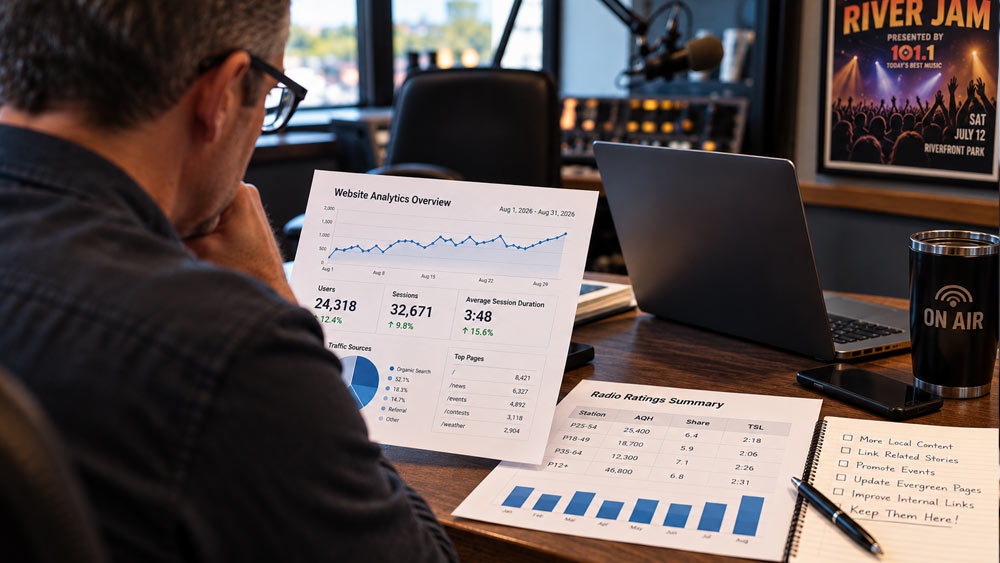
Google Analytics can tell us whether people are actually using the things we put on our websites. The problem is that opening Google Analytics for the first time feels a little like getting the ratings book without anyone explaining how to read it. There are reports, charts, percentages and terminology everywhere.
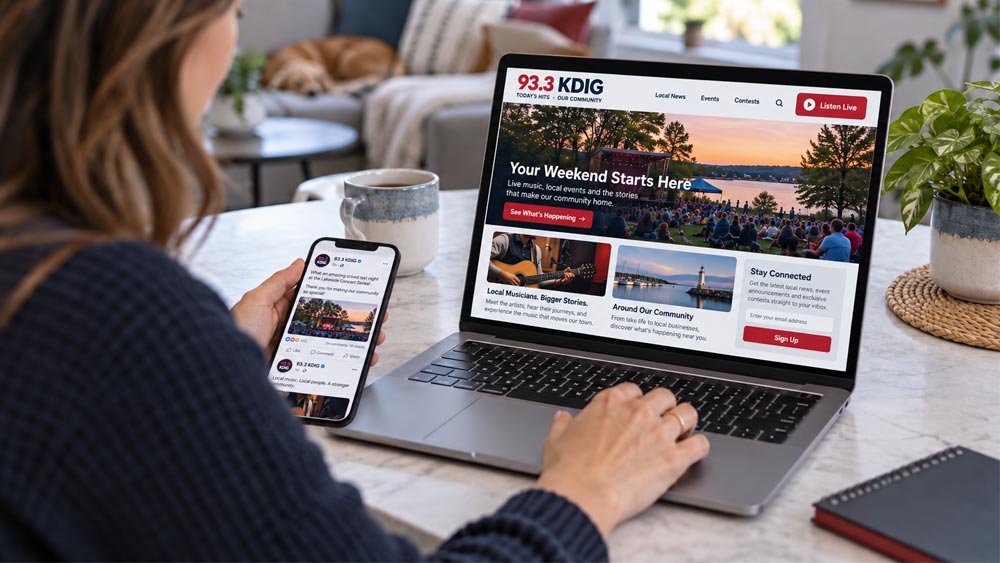
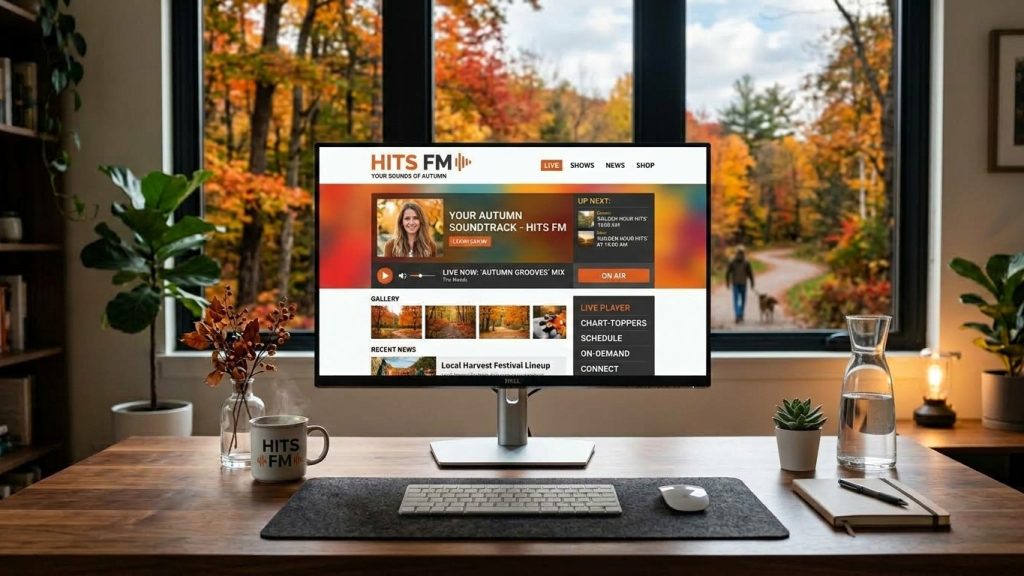
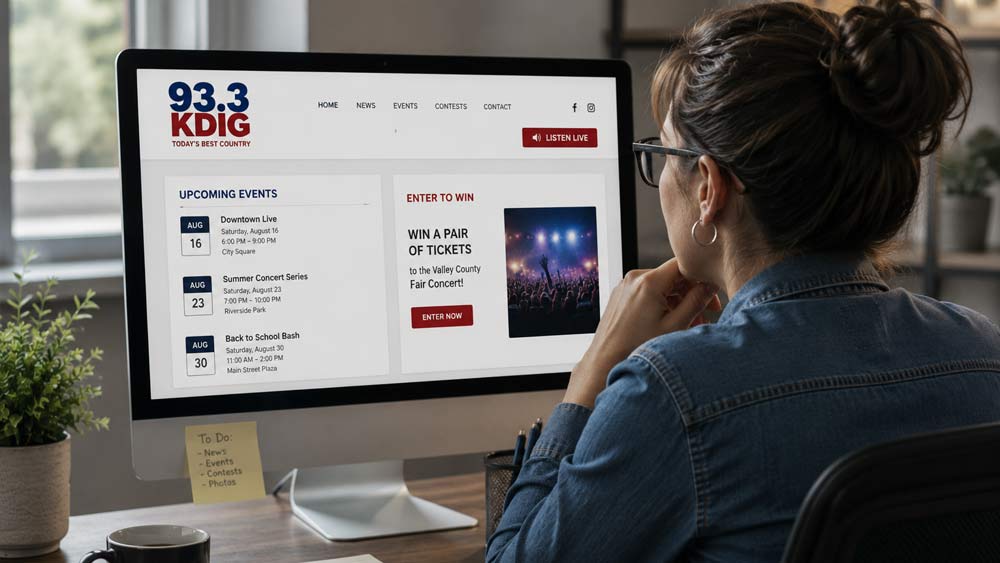
If your website hasn't been updated lately, chances are it's doing exactly what dead air does—sending people somewhere else. Today's website isn't an online brochure. It's your station's 24/7 personality, promotion department, contest machine, streaming hub, podcast library, and sales assistant.
Over the years, I've probably had the same conversation with dozens of radio stations. We'll be talking about their website, local news, or ways to increase traffic, and I'll ask, "How many local pictures do you have in your media library?”
We spend countless hours developing on-air personalities, coaching talent, creating promotions, and building relationships with listeners, then we introduce those same personalities online with... a schedule. "Weekdays 6 a.m. to 10 a.m." Maybe there's a headshot. Maybe there's a paragraph that sounds like it came from a resume. That's about it.
In many markets there is a group creating better multi-platform content than any local media company, local churches. Here are some of the ways churches are outperforming media digitally and a couple of lessons radio can take from that. Creating multi-camera live streams that are available on-demand immediately after the service.
Today, you can describe the website you want, let AI write the code, upload it directly to your hosting account, and make future changes simply by asking. It's remarkably inexpensive, surprisingly capable, and for many businesses, it may become the obvious choice. For radio stations, however, I believe it could become one of the biggest digital mistakes you make.
Too many stations still treat a remote like it’s over when the broadcast ends. In reality, that’s when some of the most valuable content can begin. Done right, one afternoon can produce articles, photos, interviews, videos, and resources that continue serving your listeners, your advertisers, and your station long after the equipment has been packed away.
As someone who manages a few weekly newsletters myself with average open rates over 40%, I can tell you from firsthand experience that they still work. Here’s how to create the database for it and why every radio station that has the content to warrant it should send out weekly newsletters.
In Ep 30 TV producer and director John Reynolds showcases his work on a segment for his "South Bend Locals" series, which features a band called The Bergamot. Reynolds emphasizes efficient production and the ability to create multiple pieces of content from a single session, illustrating how he produced both an interview/documentary piece and several standalone live performance videos.
Far too many radio groups have labeled one individual within the operation as their ‘AI person’ responsible for utilizing the latest greatest AI tools. That’s great for the growth of that individual, provided they understand their value, but terrible for the operation overall because it holds back the growth of the entire group. Here are some thoughts on fixing that.