Digital
Latest
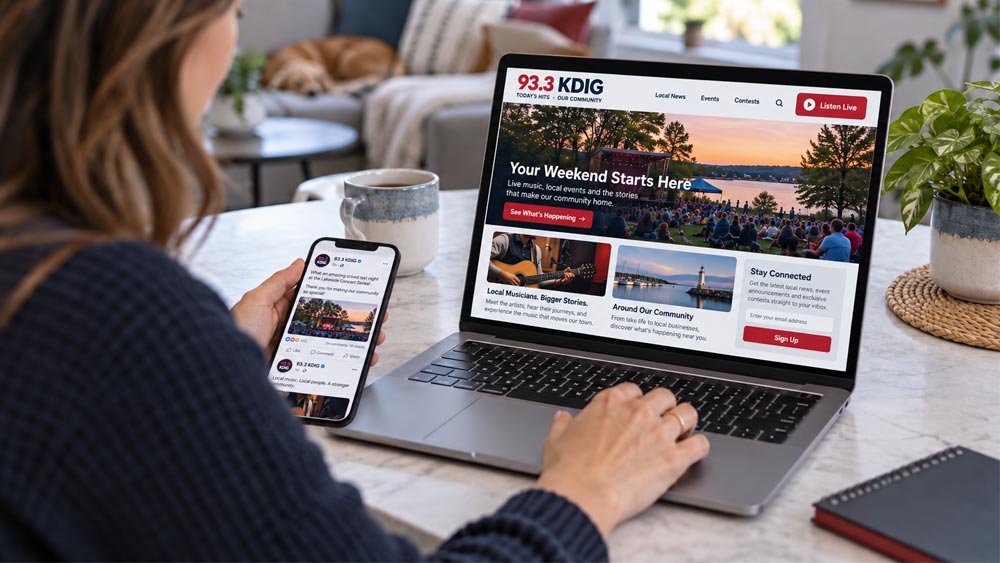
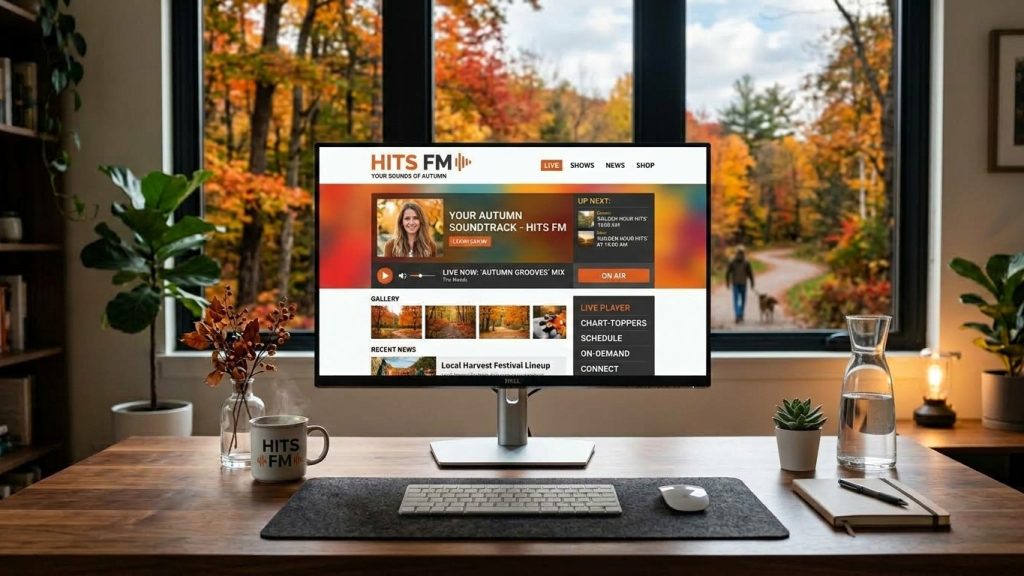
I still visit station websites that look almost identical to how they did 10 or even 20 years ago. They've collected layer after layer of features, sidebars, widgets, logos, and promotions until the original design disappeared beneath years of patches.
After three years of tracking media consumption habits, the report found that while most digital platforms continue to attract large audiences, many are struggling to maintain the loyalty and engagement they once enjoyed. Radio, meanwhile, remains remarkably stable.
In my experience far less than half of the radio broadcasters I come in contact with are podcasting on a regular basis. For those who are still resistant to jump on board, here are five reasons why every radio broadcaster should be podcasting.
While radio remains one of the most effective ways to reach local audiences, many stations have become increasingly dependent on digital platforms they do not control. Social media networks, search engines, and content aggregators now play a significant role in how listeners discover and interact with media.
The problem is that most advertisers aren't paying for a logo placement. They're paying for results. They want clicks, calls, visits, sales, and new customers. A banner ad that simply identifies a business rarely accomplishes any of those goals.
AI Mode is becoming the center of the search experience, meaning users will increasingly receive AI-generated answers instead of scrolling through the familiar list of blue links that has defined Google for decades.
This means it's going to be more difficult for anyone, not just radio stations, to appear. Success is no longer defined solely by whether your website ranks for a keyword.
Smaller staffs are finding ways to do more with less, and there is no question these tools are helping many stations stay competitive in an increasingly demanding digital environment. The danger is when station owners or managers begin believing that because AI can help create content, it can also fully replace the experience and infrastructure needed to operate a real radio station website long-term.
Ownership in the digital world often looks very different from ownership on paper. If the wrong person controls the login credentials, recovery email addresses, domain registrations, or developer accounts, access to critical parts of your business can disappear almost overnight.
In many stations, digital sales conversations stall because sellers simply do not know what inventory exists. They understand commercial breaks, sponsorships, and live reads on the air because those opportunities have always been clearly defined. Digital, however, often feels vague.
When someone lands on a station website, they are not evaluating it against another station’s site. They are comparing it to every other digital experience they use throughout the day. And if nothing appears to have changed since their last visit, or worse, if it looks like nothing has changed in weeks or months, they don’t pause to analyze why. They leave.