

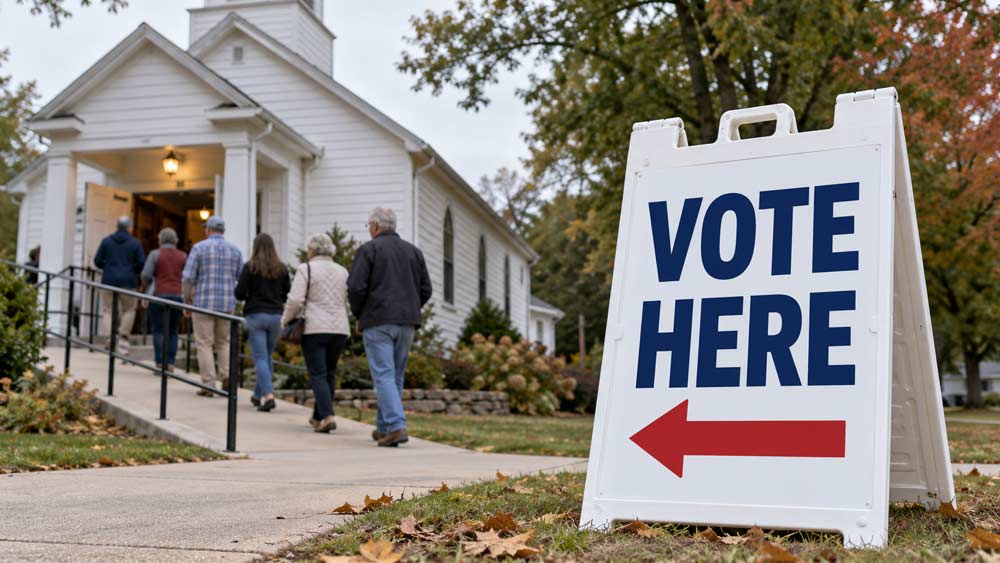
I’ve seen stations go all out on election day with wall-to-wall coverage, reporters checking in, candidate interviews, and local results arriving throughout the evening. Some keep election counts updated on their websites in real time as returns become available, with coverage continuing throughout the day and well into the night. In a smaller market, this can be a major event for the station and the community. People are following races involving their neighbors, their schools, and the people who will make decisions close to home.
That kind of coverage takes planning and people. But while everyone is preparing to tell listeners who won, there’s an opportunity to make the station website useful well before the first results arrive. People need to know where to vote, how to check their registration, where to find a sample ballot, and which election office to contact with questions. Those details may not make exciting radio, but they give someone a very practical reason to visit your website.
A local election information page can bring those resources together with the coverage your station is already producing. It doesn’t need to be elaborate. Start with clearly labeled links to official voting information, organized by county if your signal covers several. Give the page a visible spot on the homepage and an address that’s easy to promote on the air. A listener shouldn’t have to scroll past a week’s worth of stories to find the link you just mentioned.
I wouldn’t spend time recreating information the local election office already maintains. Link directly to its registration resources, polling place lookup, sample ballots, and absentee or early voting instructions where available. Your value is in helping people find the right resource without sending them through a maze of search results and old social posts. If you include deadlines or instructions on your own page, someone needs to verify them and keep them current.
The same page can give your original coverage a longer life. A candidate interview might air when a listener is at work or appear on the homepage before that person is paying much attention to the election. Two weeks later, when they’re looking at a sample ballot, that interview becomes much more relevant. Organize interviews, forum recordings, and local issue stories by race or topic so people can find them when they’re ready.
This is one of those places where the website can do something the broadcast schedule can’t. On the air, we move on to the next story, the next hour, and the next day. Online, we can keep useful coverage available and put it in context. If the station invested an afternoon in recording a candidate forum, give that recording a home where it can keep serving the audience.
Keep the page easy to use and clear about its sources. Official election information, station reporting, opinion, and paid campaign messages should be recognizable as different things. Use consistent formats for candidate coverage, label advertising, and make the practical links easy to find on a phone. Someone checking their polling location during a lunch break doesn’t need a long introduction or a pop-up standing in the way.
Someone also needs to own the updates. That might be the news director, a programmer, or the person who usually handles the website. The title matters less than having a name attached to the job. Check the links, show when the information was last reviewed, and make sure the staff knows the page exists. It can be just as useful to the person answering the station phone as it is to the listener searching from home.
As election day approaches, that established page can become the entrance to your live coverage. Tell visitors when coverage begins, where to listen, and where results will appear. If you’re updating returns, clearly identify preliminary counts, their source, and when they were last updated. People may land directly on that page without hearing the explanation your announcer gave five minutes earlier.
Even if your station doesn’t have the staff for wall-to-wall coverage, you can still offer a useful page of verified local resources. And if election night is already one of your station’s biggest local efforts, start promoting that destination while people are still making their plans to vote. By the time they’re looking for results, they’ll already know where to go.