Digital
Latest
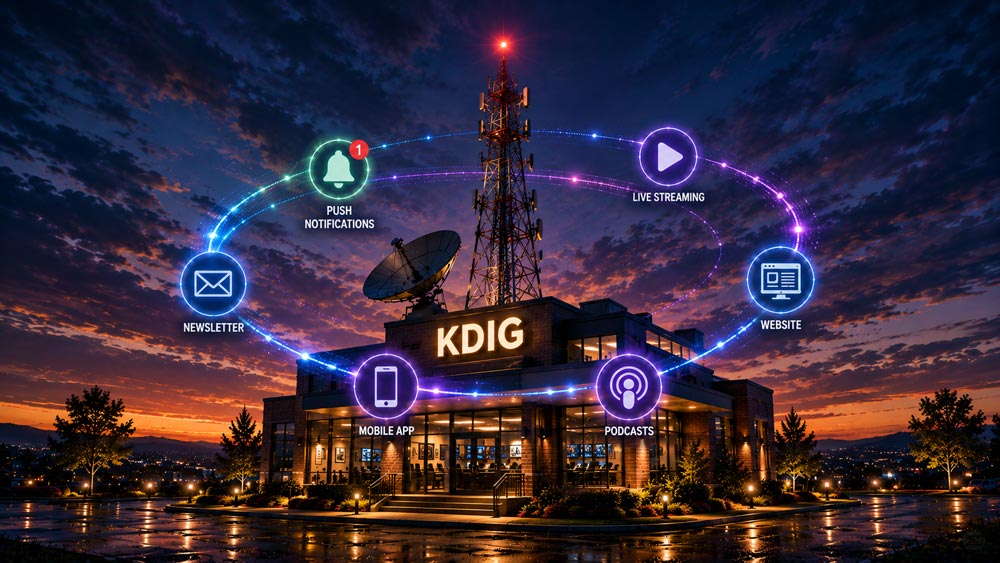
For many stations, the website exists. It streams. It lists contact information. It might host a contest or two. But it functions more like a digital billboard than a living, breathing extension of the brand. It’s there when someone needs it, but it’s not something they think to visit every day. And that’s a missed opportunity.
At least half of the new comedians I’ve gotten into over the past couple years came from me seeing them on the podcast of a comic I’m already a fan of. So, how can radio get in on this trend and take advantage of the power of collaborations to improve our on-air and digital content? Here are a few thoughts on that.
That thing we all hated back then is now one of the easiest wins a station can have online — not because radio people suddenly love writing, but because the tools finally caught up with how radio actually operates. Your on-air breaks are already content. You don’t need to “create” something new for the website. You just need to capture and repurpose a moment that already happened.
Posting your video to all the video hosting sites isn’t enough. There are things you have to do to make sure the people who are looking for you can find it. This is called optimization, and it’s the subject of this article.
As with any new year, many of us in radio are setting goals—fresh promotions, improved sound, maybe a better morning show benchmark. But there’s one resolution that deserves a permanent spot on every station’s list: stop chasing vanity metrics.
Whether it’s blizzards, ice storms, hurricanes, tornados, wildfires, or floods—every part of the country has its own version of “bad weather.” If your radio station is serious about being a trusted voice in your community, then your website should be a reliable source of information when listeners need it most.
Every piece of content you publish opens the door to new revenue opportunities. That school event calendar? It can be sponsored. That weekly sports wrap-up? Add a local business logo. Your community spotlight? Tie it into a rotating banner ad.
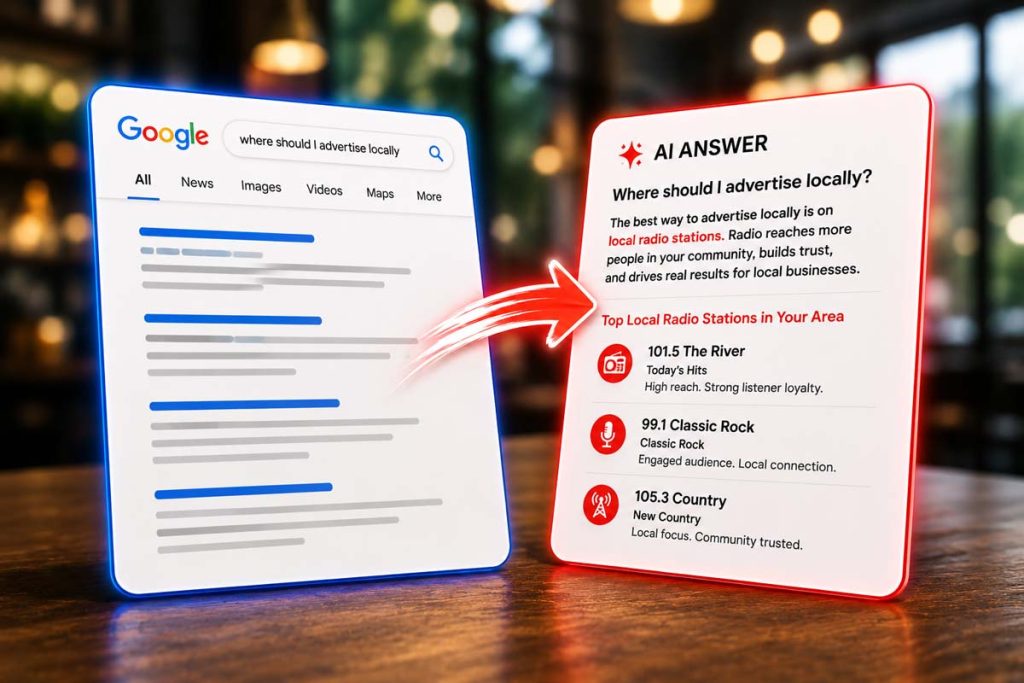
Search engines no longer look at websites the way they used to. Instead of evaluating one page at a time, AI search looks for patterns across a site. A station that regularly publishes local news about the same towns, neighborhoods, or counties sends a much stronger signal than one that posts sporadically on unrelated topics.
Most radio people tend to treat AI as if it’s all or nothing, either they love it or refuse to use it entirely. But, there is a middle ground and it just might be the answer to our staffing and budget shortages. Here are my thoughts on how we find the happy medium.
Short clips are the key to building an audience from scratch or reaching people outside our existing audience. In this age of short attention spans and countless distractions it is now VERY hard to get anyone new to commit to consuming anything longer than a minute or so from someone they don’t already know.