

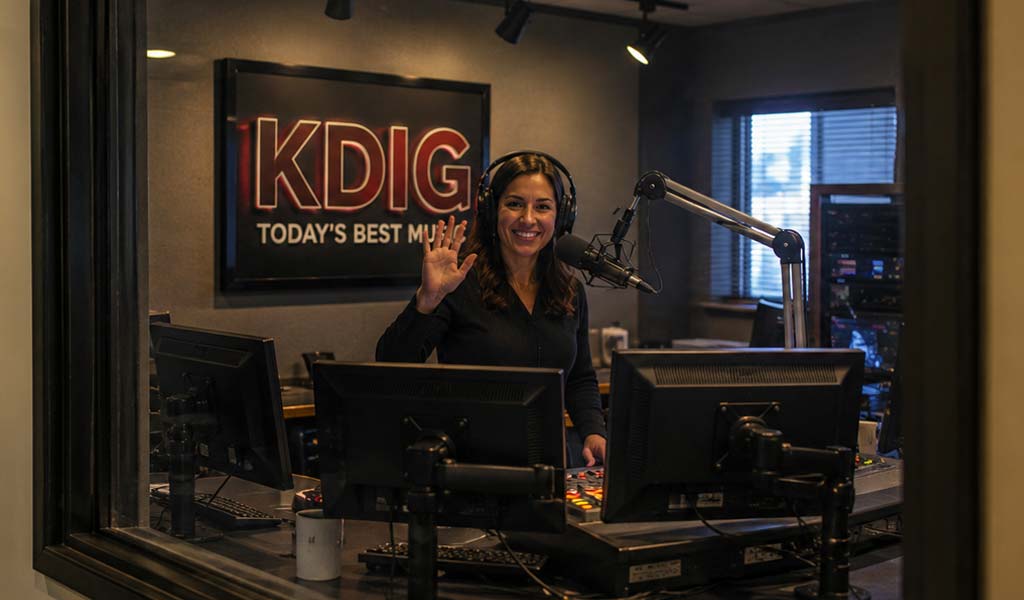
I’ve looked at hundreds of radio station websites over the years, and one thing continues to surprise me. We spend countless hours developing on-air personalities, coaching talent, creating promotions, and building relationships with listeners, then we introduce those same personalities online with… a schedule.
“Weekdays 6 a.m. to 10 a.m.”
Maybe there’s a headshot. Maybe there’s a paragraph that sounds like it came from a resume. That’s about it.
Think about that for a second. If someone walks into your website for the first time, they don’t know your morning show. They don’t know why your afternoon personality has been in the market for twenty years. They don’t know why your Saturday night show is different from the station across town. Your show page is often their first introduction, and it needs to do a better job than simply telling them what time the show starts.
I always encourage stations to think of a show page the same way they think about opening a break on the air. Great talent doesn’t begin by listing facts. They invite you in. They make you curious. They make you want to stick around for another minute. Your show page should do exactly the same thing.
Instead of leading with airtimes, tell listeners what they’ll experience. Why should they spend part of their day with this show? Is it because they’ll hear local conversations they won’t find anywhere else? Is it because the host has a way of making even the biggest national stories feel relevant to your community? Is it because they’re going to laugh on the drive to work?
Those are the reasons people listen. Put those reasons on the page.
The host biography deserves some attention too. Too many bios read like someone copied a LinkedIn profile onto the website.
Listeners don’t really care where the host interned fifteen years ago. They do care that she coaches youth softball, broadcasts every Friday night football game, or spends weekends covering community events. Those are the things that make personalities feel like they’re part of the town instead of just another voice coming through the speakers.
This also creates something I think stations overlook.
Every bit of useful information you add to a show page becomes content that search engines and AI systems can actually understand. If someone asks, “Who hosts the morning show on WXYZ?” or “What kind of music does this show play?” your website has a much better chance of providing the answer if you’ve actually written it there.
Another opportunity I see missed all the time is connecting the show page to everything else the station produces.
If the show has podcast episodes, link them. If personalities write articles, feature them. If they host community events, include those too. Your show page shouldn’t be a dead end. It should become the hub for everything that personality does both on and off the air.
When I’m helping stations build websites, I usually recommend keeping every show page fairly simple. Start with a short introduction that tells listeners why the show is worth hearing. Follow that with a biography that sounds like a conversation instead of a resume. Include a section about what listeners can expect to hear, highlight the show’s involvement in the community, and make it easy to listen live, find recent podcasts, or read related stories. Nothing fancy. Just useful.
Here’s a quick test. Open one of your station’s show pages in a private browser window. Pretend you’ve never heard of your station before. Within thirty seconds, could you answer these questions?
– Why should I listen?
– Who is this personality?
– What makes this show different?
– Where do I go next if I like what I see?
If the page doesn’t answer those questions, it probably isn’t doing your personalities justice. Encourage each personality to spend a little time making their page as inviting as their show. Give listeners a reason to come back to that page—not just your website.
Your on-air talent spends years building relationships with listeners. Their personality pages should reflect that same connection instead of looking like an entry on a programming schedule.
Pic generated by ChatGPT.
Jim Sherwood is a radio veteran turned digital strategist dedicated to helping radio stations thrive online through engaging websites and mobile apps. As the founder of Skyrocket Radio and host of the Better Radio Websites podcast, he shares best practices to help stations grow audiences and revenue in the digital space. With decades of experience in radio and a passion for connecting content with listeners, Jim ensures that every station—no matter its size—can make a lasting impact online.