

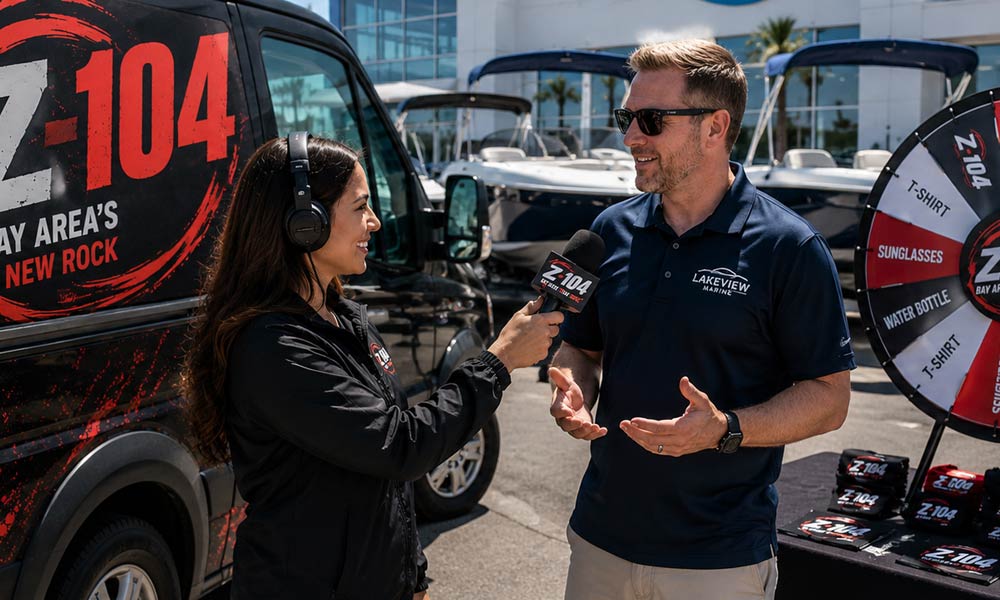
One of my earliest radio jobs was as a Promotions Coordinator for a radio group in San Francisco. Remote broadcasts were always exciting. Our team would drive the van and set up the location, the personalities would work the crowd, the client loved the attention, and listeners had a great time. Then we’d pack everything in and leave.
Thirty-five years later, not much has changed, and I think it’s a missed opportunity. Too many stations still treat a remote like it’s over when the broadcast ends. In reality, that’s when some of the most valuable content can begin.
Every remote is an opportunity to create valuable content for your website and mobile app. Done right, one afternoon can produce articles, photos, interviews, videos, and resources that continue serving your listeners, your advertisers, and your station long after the equipment has been packed away.
The biggest shift is changing how you think about the event itself. Don’t think of your website as the place where you’ll upload a few pictures afterward. Make it part of the remote from the very beginning. Create an event page when the remote is announced, continue updating it while you’re on location, and then let that same page become the permanent recap once everything is over.
If I were managing a promotions department today, I’d tell my team something they probably wouldn’t expect: your job isn’t finished when the remote begins. It’s finished when you’ve captured everything you can use before the van leaves. A successful remote should create memories for those who attended and content for those who didn’t.
Before the remote, your page builds excitement. Tell listeners where you’ll be, who’s broadcasting, why they should stop by, and what they’ll experience when they get there. Introduce the advertiser and explain why they’re involved. Give people a reason to visit and make it easy for them to share the page with others. Before anyone even arrives, your station has already created something with value.
Once you’re on location, keep building that page. This doesn’t mean assigning someone to write a news article from the sidewalk. It simply means developing the habit of asking, “What can we capture right now that listeners will still enjoy hearing, watching or reading next week?” Sometimes that’s a photo. Sometimes it’s a quote. Sometimes it’s a question you hadn’t thought to ask before you arrived.
As the afternoon unfolds, add a few photos, mention a prize winner, summarize an interview, or highlight something unexpected that happened during the broadcast. If your station has a mobile app, send a push notification with one of those updates and link listeners back to the page. Instead of scattering your content across social media where it quickly disappears, you’re building one resource that continues growing throughout the day.
When the remote ends, don’t start over with another article. Simply update the page you’ve already built. Change the introduction from “Join us this Saturday” to “Here’s what happened.” Add your best photos, include a recap of the day, thank your sponsor, recognize the organizers, and preserve the story while it’s still fresh. The page naturally evolves from a promotion into a permanent record of the event.
Here’s something else I’ve learned over the years. Not every remote goes as planned. Sometimes the weather doesn’t cooperate. Sometimes the client gets busy helping customers and doesn’t have time for an interview. Sometimes attendance is disappointing. Every broadcaster has packed up after a remote, wondering if the afternoon was really worth the effort.
The good news is that the crowd isn’t always the story. In fact, I’d argue the crowd is often the least interesting part of the content you’ll bring home. What you really have is access that you don’t normally have.
You’re standing beside people who are experts in their field. Even if they don’t want to be interviewed live on the air, many are perfectly happy to spend five or ten minutes talking once the microphones are turned off. Those conversations can become some of the most valuable content you’ll publish all year.
Imagine you’re broadcasting from a boat dealership. Sure, you can write about the remote itself, but you can also ask a salesperson what kinds of boats families are buying this summer, what accessories first-time owners often forget, or how someone should choose between a pontoon and a fishing boat. Suddenly, you’ve created an evergreen article that people may still be finding two years from now.
This same idea works almost anywhere. A nursery can explain which plants thrive during your hottest months. A heating and air company can share the biggest mistakes homeowners make before winter arrives. A veterinarian can answer the questions every new puppy owner asks. A flooring company can explain which materials hold up best in homes with pets. A furniture store can talk about current design trends. None of those stories depends on attendance. They depend on proximity to the source material.
If you’re sitting there scratching your head about website content, let this be your gold mine discovery.
If I were sending a promotions director or morning show to a remote tomorrow, I’d challenge them to come back with two stories. The first is the obvious recap of the event. The second is an article that could still be helping listeners a year from now. More often than not, that’s the story that generates the most traffic.
Your advertisers benefit from this approach just as much as your listeners do. Instead of receiving a few hours of exposure during the broadcast, they’re featured on a website page that can continue attracting visitors for months or years. Better yet, they’re positioned as local experts instead of simply as sponsors. That’s a much stronger story for your sales team to tell when it’s time to renew the remote next year.
Here’s the interesting part. None of this is really extra work. You’re already at the remote. You’re already talking to these people. You’re already taking photos. The only thing that’s changing is being intentional about turning those moments into content instead of letting them disappear when the day is over.
This approach also fits perfectly with the way search engines and AI answer engines are evolving. They’re looking for complete, trustworthy information about local communities. A page that documents an event, introduces a local business, answers common questions, and includes original photos and interviews is exactly the kind of content they can understand and recommend. You’re not creating content for algorithms. You’re creating useful local resources, and the algorithms naturally reward that.
If you don’t like taking notes and writing an article, record the off-air interview and have AI write the article based on the transcript. Take advantage of the tools available now that we didn’t have back in the day.
The more I think about it, the more I believe remote broadcasts are one of the most underutilized content opportunities radio stations have. You’re already investing the personalities, the equipment, the planning, and the airtime. Why let all of that value disappear when the van pulls out of the parking lot?
The next time your station schedules a remote, think beyond the broadcast itself. Build a page before the event. Update it while you’re there. Turn it into a recap afterward. Then, before you load the last piece of equipment into the van, ask yourself one simple question. “What story can I tell simply because I was here today?”
If I were putting together a remote checklist today, I wouldn’t end it with “Pack up the equipment.” I’d add one more item. “Come back with something your listeners will still find valuable six months from now.”
That’s how you extend the life and value of every remote broadcast. More importantly, that’s how you make every remote worth far more than the few hours you spent on location.
Pic generated by ChatGPT.
Jim Sherwood is a radio veteran turned digital strategist dedicated to helping radio stations thrive online through engaging websites and mobile apps. As the founder of Skyrocket Radio and host of the Better Radio Websites podcast, he shares best practices to help stations grow audiences and revenue in the digital space. With decades of experience in radio and a passion for connecting content with listeners, Jim ensures that every station—no matter its size—can make a lasting impact online.