

I should start out by making it clear that I’m not an unbiased observer of this situation. I’ve been a Cowboys fan my entire life, and I have a special place in my heart for Tony Romo because I think he was massively underrated as a QB because of two plays. The snap he botched as a holder the first year he took over as our starter and the Dez catch-no-catch that I’ll go to my grave believing was actually a catch. But last week one of my football heroes learned a valuable lesson about broadcasting and morality clauses in contracts that all radio on-air personalities should pay attention to. As someone who has written and signed many of those contracts myself, here’s why they are something to watch out for.
When morality clauses are written by lawyers working for the broadcast company they are worded vaguely on purpose. The valid reason for that is because it’s hard to imagine and define all the creative ways an employee can get in trouble and harm the company’s reputation and brand through association. The more nefarious reason is so they can be used as an excuse to get out of a costly long-term contract early for anything from a small lapse in judgement to a huge misstep that lands the employee in jail.
I am by no means downplaying driving drunk. Roughly 12,000 people are killed by drunk drivers every year here in the US. But the list of broadcasters who have gotten DWIs/DUIs/ OWIs (depending on the state) but kept their job is too long to even mention. Most unbiased observers who watched the bodycam video, which was released suspiciously fast compared to most high-profile bodycam footage, walked away assuming that Tony would keep his job.
My guess is Tony Romo got fired because his performance had begun to slip. He wasn’t exactly known for doing the massive amount of prep work it takes to do color for the major network A team covering an NFL broadcast. Plus, Romo was too far removed from playing to continue with his Nostradamus-like ability to predict plays. His unique skill that blew fans away his first year in the booth. That and because, as Colin Cowherd suggested last week, Tony had angered a few of the execs at CBS when he used his leverage from being pursued by ESPN for Monday Night Football to demand an unprecedented amount of money during his contract renewal (18 million per year for 10 years).
So, my advice to all radio on-air personalities in regard to morality clauses in contracts (and employment agreements) is to either A) have your own lawyer write up that language to define it more fairly or B) never stop improving, evolving and growing as a broadcaster so your value increases every year because your performance continues to improve. That way the company you work for doesn’t feel tempted to use a morality clause as an excuse to fire you for something they wouldn’t have previously fired you or someone else at the company for. In other words, make yourself hard to fire.
What do you think? Should Tony Romo have been fired and what are your thoughts on morality clauses in broadcast contracts? Comment below or email me at Andy@RadioStationConsultant.com.
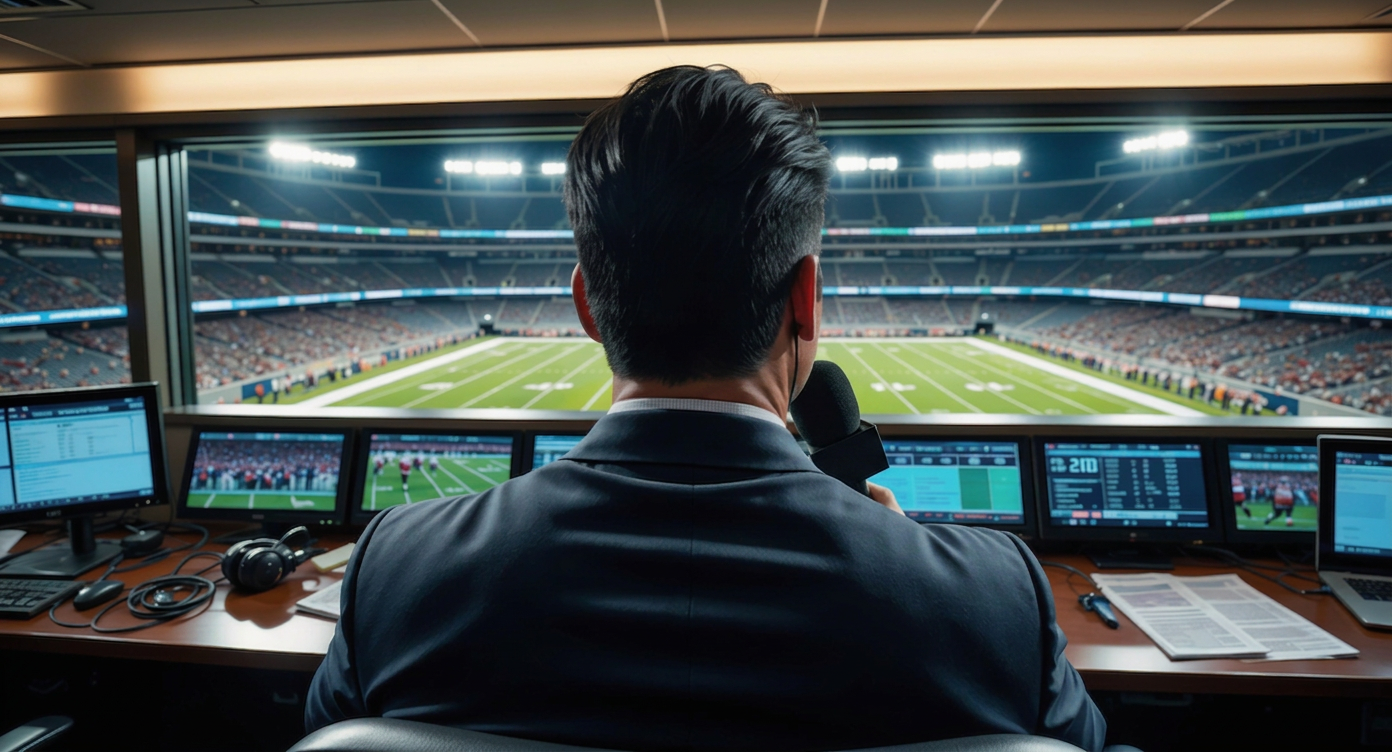
Pic AI generated using Envato Elements.
Andy Meadows is the Chief Editor of Radio Update and the founder, CEO and lead consultant at Radio Station Consultant. He’s also the host of the weekly Radio Influencers podcast series for Radio Update.