Picture of John Lund

John Lund

Latest

Fall is radio’s annual reminder that hope is not a strategy. You can’t wait until the ratings arrive and then decide what you should have done three months earlier. Before September gets away from you, build a Fall Strategic Plan designed to increase Cume, listening occasions, TSL, and Top-of-Mind awareness. Here are ten places to start.
Over the years, I've heard thousands of radio stations around the world. Many had similar music. Similar contests. Similar jingles. Similar voices. Some even used the same syndicated features.  Yet a handful of stations sounded unmistakably unique.  You knew it was them within seconds.  That's not luck.
If your DJs would rather have a root canal than attend the weekly programming meeting, it's time for a new agenda. A great programming meeting shouldn't feel like detention. It should be part brainstorming session, part coaching clinic, part pep rally, and part comedy club.
Every market has one.  The station everyone talks about.  The station listeners recommend to friends. The station competitors secretly monitor.  Winning stations don't have better transmitters. They have better execution. While others chase the latest gimmick, great stations master the fundamentals—and never stop improving them. Here are ten habits you'll find in almost every successful station.
Every station wants bigger ratings.  The smartest stations also want bigger databases.  Why? Because algorithms change. Social media comes and goes. Streaming services compete for attention. But an email address, mobile number, or app user who has chosen to hear from your station is one of the most valuable marketing assets you own. 
Radio stations spend thousands of dollars producing commercials for advertisers. Then they promote themselves with a voice reading copy over a music bed.  Your station deserves better. The best promos don't just announce what's happening, they create anticipation. They're movie trailers for your station.
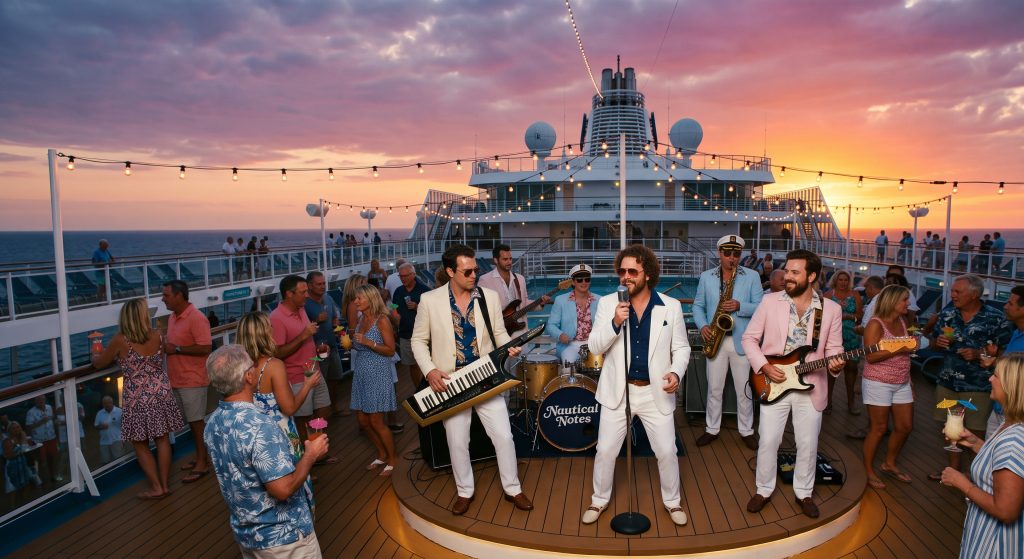
Some radio formats are born in research. Others evolve over decades. Yacht Rock? It started as a joke. The music itself came first. During the 1970s and early 1980s, artists like Christopher Cross, Steely Dan, Toto, The Doobie Brothers, Boz Scaggs, Kenny Loggins, Hall & Oates, and Michael McDonald were making polished, sophisticated pop-rock that blended rock, jazz, R&B, and soul.
Every successful brand has "superfans"—listeners who start the day with your morning show, stream you at work, follow you on social media, open your emails, attend your events, enter your contests, and tell their friends, "You've got to listen to this station."  Those listeners aren't just audience members. They're your marketing department. Here's how to create more of them. 
Think about your favorite vacation.  You probably don't remember every meal or every hotel room. You remember the feeling.  The same is true of radio. Listeners rarely remember every song you played. They remember whether your station made them smile, laugh, feel connected, or made a long drive seem shorter. 
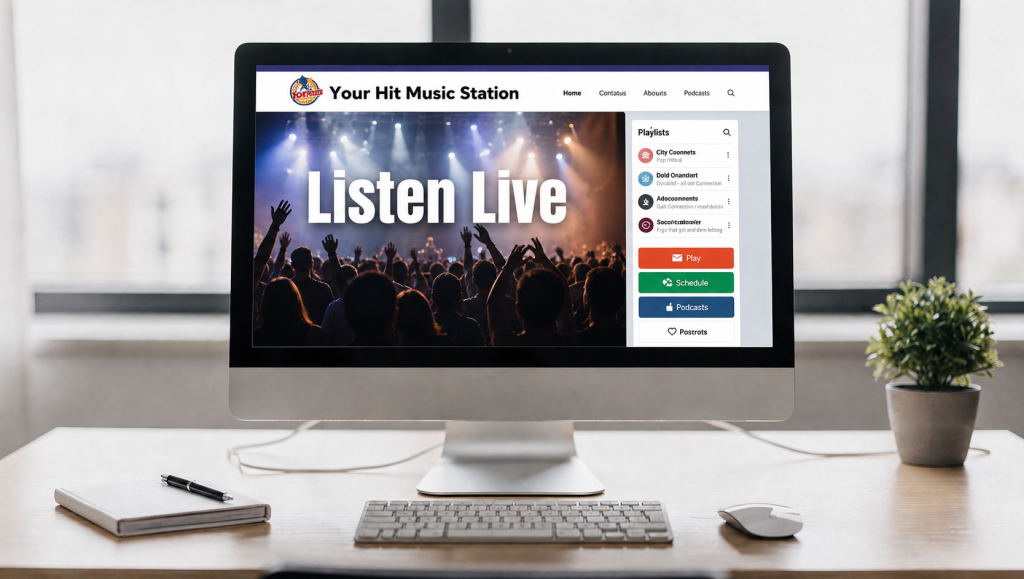
If your website hasn't been updated lately, chances are it's doing exactly what dead air does—sending people somewhere else. Today's website isn't an online brochure. It's your station's 24/7 personality, promotion department, contest machine, streaming hub, podcast library, and sales assistant.
Scroll to Top
Subscribe to our weekly newsletter

SECTIONS