

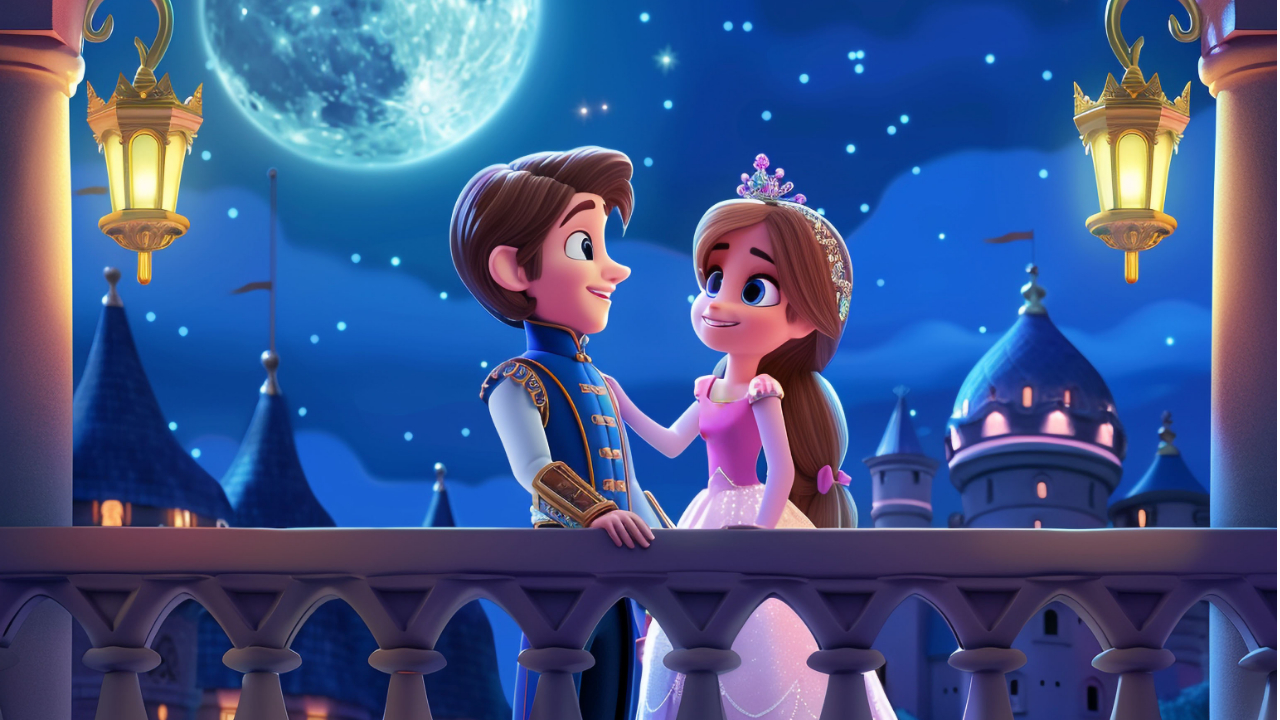
“You can dream, create, design, and build the most wonderful place in the world, but it takes people to make the dream a reality.” — Walt Disney.
It’s summer – a time when many take their family to Disneyland or Disney World. Most Americans admire the extraordinary worlds built by Walt Disney—theme parks, films, and experiences that somehow make grown adults wait an hour in humidity to hug a six-foot mouse and call it magical. But Disney’s real genius was not simply attractions.
It was people. Disney understood a truth radio managers occasionally forget during budget meetings and music log debates:
Great radio brands are built by great teams.
Under leaders like Michael Eisner, Disney continued emphasizing culture, consistency, training, and employee development to create world-class customer experiences. At the heart of that success is the philosophy taught through Disney University—principles that translate remarkably well to radio.
Because while your station may not have fireworks every night or costumed characters wandering the hallways (thankfully), radio still depends on creating a memorable audience experience. Here are the key lessons from “Disney U” that apply to radio programming:
Safety: Protect the Listener Experience
Disney teaches safety first. In radio, “safety” means protecting the product. Protect your brand. Protect station standards. Protect listeners from sloppy execution, technical train wrecks, endless meetings disguised as morning shows, or seven-minute DJ stories that should have ended after sentence three.
Listeners crave reliability. They should know what your station stands for and trust you to deliver it consistently.
Courtesy: Be Likable
Disney employees are famously courteous. Radio talent should be, too. Stations that sound warm, upbeat, and welcoming outperform stations that sound angry, cynical, or accidentally irritated by humanity. A personality should sound like someone listeners want riding shotgun—not someone they avoid at neighborhood cookouts.
Kindness matters. Optimism matters. Likeability wins.
Show: Every Shift Is Showtime
Disney teaches “Show.” Translation: When guests see you, perform. Radio should feel alive, polished, energetic, and intentional. Listeners do not care if the morning show host had a rough commute or if engineering melted down five minutes earlier. The microphone turns on, and it is showtime!
Sound prepared. Sound upbeat. Sound engaged. And yes, wearing pajama pants in the studio is acceptable—as long as it doesn’t affect the energy level.
Efficiency: Invite Better Ideas
Disney encourages employee suggestions. Great radio managers do the same. The receptionist may know something about listener complaints. The promotions team may have smarter event ideas. The afternoon talent might discover a better benchmark feature. Encourage suggestions and reward innovation. Some of radio’s best ideas came from people not invited to the “important” meeting.
Excellence Lives in Details
Disney obsesses over details because details shape perception.
Radio should obsess, too. Small things matter:
- Saying the station name clearly
- Tight segues
- Clean production
- Fresh liners
- Fast pacing
- Accurate clocks
- Friendly phones
- Organized remotes
Listeners may not consciously notice excellence—but they absolutely notice sloppiness. Nothing says “premium experience” quite like hearing yesterday’s weather forecast in today’s voice track.
Train, Coach, Develop
Disney trains relentlessly. Radio often hires someone, points them toward the studio, and says, “Good luck—don’t swear.” Coaching matters. Airchecks matter. Mentoring matters. Even talented personalities improve with guidance. Strong stations constantly train people to become stronger performers and future leaders.
Teamwork Makes Great Radio
Winning stations work together. Programming, sales, promotions, digital, engineering, and management should function as partners—not rival political parties occupying neighboring offices. Everyone owns the product. Everyone owns the experience.
The Disney Secret Radio Should Steal
Pat Williams summarized Disney’s success with ideas that fit radio beautifully:
- Make tomorrow pay off today
- Free imagination
- Build lasting quality
- Show perseverance
- Have fun
That last one matters. Radio should sound fun to create because listeners can hear the difference. If your station sounds like everyone is enduring a mandatory staff retreat, audiences notice.
Final Thought
You can dream up the perfect format, hire talent, build promotions, buy jingles, and write a brilliant strategy. But stations succeed because of people. People who care, prepare, collaborate, and create magic one break at a time.
Whether it’s Disney or your station, memorable experiences rarely happen by accident—and neither do great ratings.
Pic AI generated for Magific.com.
John Lund is President of the Lund Media Group, a radio programming, broadcast consulting, and research firm with specialists in all mainstream radio formats.