

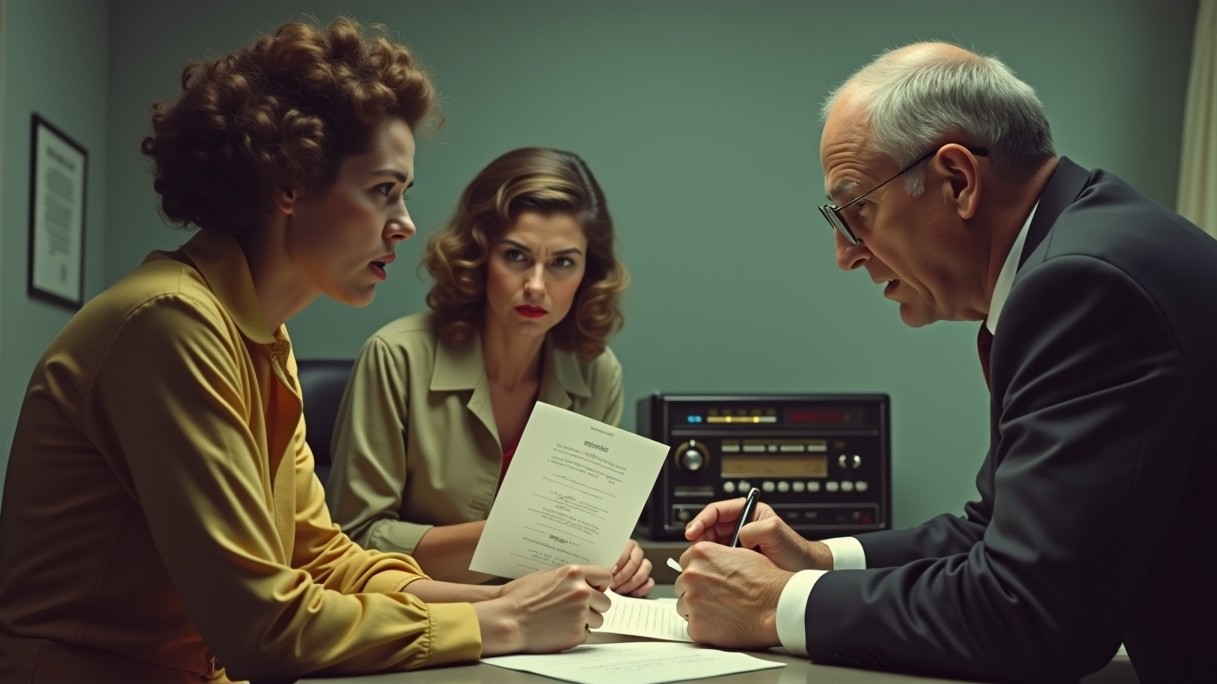
If you’ve ever sat through an aircheck session plotting your escape route—mentally tunneling through the wall like Andy Dufresne in The Shawshank Redemption—you’re not alone. Most aircheck sessions suck. They suck for the PD. They suck for the talent. And everyone in the room knows it.
But here’s the good news: They don’t have to suck. When done right, aircheck sessions can become the most valuable 20 minutes of your week. Do it right and it will be something both sides actually look forward to. The kind of meeting that builds trust, sharpens performance, and makes the show better.
But before you fix them, you need to know what’s broken.
Why Aircheck Sessions Suck (and How to Fix Them)
There are six reasons aircheck sessions suck. You can fix all of them! Following these six guidelines won’t guarantee your meetings don’t suck, but it is a good start! Try to spend time with personalities daily, but avoid meetings that sap their energy (and will to live).
It takes time and effort to get air check sessions right, but the reward is a much more enjoyable experience, more productive talent, and a great-sounding radio station.
Repetition: Like Groundhog Day, But Not As Funny and More Soul-Crushing
Ever feel like you’re giving the same feedback every single week?
“Tighten it up.”
“Sell the call letters.”
“Start stronger.”
“More energy.”
“Less energy.”
“Talk faster.”
“Talk slower.”
Eventually, talent tunes it out. It’s noise. It’s whiteboard static. Instead of harping on the same laundry list of mechanical corrections, focus each session on one or two specific skills or creative goals. Frame it in a way that feels like a collaborative mission, not a weekly trip to the principal’s office.
Example: If your goal is to get the talent to start stronger, don’t say “Start stronger.” Instead:
“Let’s brainstorm to find three ways we could hook the audience in the first few seconds of this segment with a powerful opening line so listeners can’t turn away. Think of it like a movie trailer—not a table of contents.”
Once you’ve identified better options for the segment under review, brainstorm ideas for a segment coming up tomorrow!
Playing Audio: It’s Cringe for the Talent—And You’re Making It Worse
Listening back to their own voice is like nails on a chalkboard for most talent. They obsess over every flub, filler word, and awkward pause. And that makes them defensive instead of open.
So, stop playing everything. Play something—one break that worked. Or one that almost worked, and why. Then, surprise them. Focus on what’s good, not just what needs “fixing.” Talent learns more from success than failure. They repeat what you praise. Your job is to show them what worked and why—then ask them to do it again, bigger.
Pro tip: Start with the question, such as:
“What’s something you felt really worked this week? Let’s listen to it and celebrate it together.”
Now you’re coaching with them, not at them.
Timing: Right After the Show Is the Wrong Time
Morning shows end. Personalities are toast. Their brain’s been running hot since 4:30 am. And now you want to go over audio? That’s like giving a TED Talk at the finish line of a marathon.
Instead, schedule sessions when they’re rested and receptive—even if that means over lunch, or (yes) a happy-hour beer. You’ll get more engagement and fewer eye rolls.
Bonus: Your location changes the energy. A different environment (coffee shop, conference room, even a phone call) resets the dynamic.
Poor Preparation: “So, What Do You Wanna Talk About?” is Not a Strategy
Walking into an aircheck session unprepared is like showing up to host a morning show with no prep sheet. You’re wasting their time and yours. Great PDs do their homework. They listen ahead of time. They come in with a plan, including a few clips, a goals, and a framework for discussion.
Better yet? Send the clips in advance with a quick note:
“Take a listen to these two breaks. I thought there were some great moments to build on. Let’s talk about what made them pop in tomorrow’s meeting.”
Now you’re treating the meeting like a creative workshop, not a surprise inspection.
Length: Longer Doesn’t Mean Better
Aircheck sessions don’t need to last an hour. In fact, they shouldn’t. Legendary NBA coach Gregg Popovich says:
“With us, film is short and direct. You can’t do a coaching clinic every time… you lose them all.”
Popovich swears by short, focused coaching bursts—sometimes just five minutes—because attention and impact go hand in hand.
Same with talent. One tight, 10-minute session beats a meandering 45-minute one every time.
Set an agenda with an expected length. Stick to it. Better still, end early. Make them want more, not less.
Lack of Focus: Too Many Topics, Not Enough Progress
Trying to fix 12 things in one session is like trying to juggle knives while blindfolded. Nobody remembers anything, and someone always gets cut. Each session should have one or two focal points. Drill down. Build mastery. Then move on.
Think in campaigns, not one-offs. Set up a quarterly strategy meeting. Objectively analyze the show and identify one or two things you want to improve in the upcoming weeks and months.
Progress is rarely made in leaps. It comes from consistent focus and reinforcement. When you apply Concentration of Force principles, you’ll make great progress.
Make It a Conversation, Not a Critique
The most successful aircheck meetings don’t feel like critiques. They feel like collaborations. You’re not grading a performance—you’re developing an artist. When you frame your role as a coach instead of a judge, everything changes.
A key to success is asking questions:
“What would you change about that break?”
“What did you love about how this segment flowed?”
“Where do you think the listener tuned in—and did they stay?”
This approach opens dialogue and empowers talent to take ownership of their growth.
Bottom Line
Aircheck sessions don’t have to feel like root canals. With prep, focus, empathy, and a little creativity, they can become the best tool you have for making your station sound unforgettable. So next time you’re about to press play, ask yourself if you are building a better show or just pointing out mistakes?
Pic AI generated using Envato Elements.
Tracy Johnson is a talent coach and programming consultant. He’s the President/CEO of Tracy Johnson Media Group. His book Morning Radio has been described as The Bible of Personality Radio and has been used by personalities worldwide. Tracy is also the creator of Radio Content Pro an AI-powered show prep service that addresses all three of these triple threat filters by putting stories in radio speak and giving you teases, on-air copy, responses, phone topics, social copy by platform, blog copy and more.
1 thought on “Why Aircheck Sessions Suck (and How to Fix Them)”
I love this article! I have been through some very long and trying miserable airchecks. I think this is great advice as I get ready to do some coaching this tells me what not to do.