


Lund Media often discusses what makes a perfect break. We think it’s the proper mix of branding, engagement, and commitment – measured in the audience’s terms.
Branding is essential to get rating credit, even with PPM. Learn from the masters, Coke and Starbucks, where being top-of-mind is everything. Sell your brand and tattoo your station in the listener’s mind.
Engagement covers many areas. It’s content that listeners want, and the companionship makes a station essential to each user.

For content, begin with the essentials (morning time checks, song information, weather, and listener’s plans) and add the other items that register with your audience. Content gets tricky. Aim for your target and not what your talent may think is interesting. Get to the point and pay off quickly. Measure your time to engage or lose interest in scant seconds. Don’t waste time with silly filler or meaningless inside talk. Instead, engage quickly with a “hook” that builds continued listening.
Commitment includes teases of more reasons to listen, returning for another tune-in, and building partisanship. This is where you “buy” your next rating share. Is your station a utility for that listener or a daily “requirement?” Grow your audience from within by building commitment.
So what isn’t in a perfect break? First, clean out tune-out cues like “We’ll be back in three minutes/after these commercials” and “We want to stop and talk about….”
These phrases cause tune-outs. They indicate that the talent hasn’t prepped the show or doesn’t care about keeping listeners through the break. The perfect break does NOT invite listeners to leave but teases what’s next. Even subtle signals like small talk between cast members are tune-outs.
The Perfect Break
The keys to a “perfect break” are the ingredients to good storytelling: A beginning, a middle, and an end.
> The Beginning. To capture the listener’s attention, engage them. They want to hear more of the story.
> The Middle. Entertain the listener in the middle. Stay on one path and edit, going off on tangents that will only slow the momentum of your story. Avoid adding too many details that will only muddy it up.
> The End. Satisfy the listener who has invested time listening to your story with the payoff. Provide a resolution to make your story memorable.
All station business should follow your story. Create engaging content first during the break and then deliver any promos, PSAs, live reads, giveaways, or teases afterward.
Storytelling 101: Have A Point in Every Break
One of the great movie lines that apply to radio personalities comes from the comedy Planes, Trains and Automobiles, starring Steve Martin and John Candy. At a particularly dark moment after John Candy’s character tells a story, Steve Martin launches into a diatribe at which he concludes:
“And, you know, when you’re telling these little stories, here’s a good idea. Have a point. It makes it so much more interesting for the listener!” 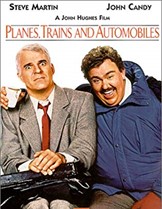
Good advice for every time one cracks the mic!
Pic designed by Benzoix for Freepik.com.
John Lund is President of the Lund Media Group, a radio programming consulting firm with specialists in all mainstream radio formats. Did you find this article useful? You can leave a comment below or email John at John@Lundradio.com.