


Quantitative research is good for measuring awareness, recall, and some images of morning shows; however, focus groups are better for digging into and discovering what people think about the show. We’ve conducted many focus groups and provide the following major conclusions from watching people talk about mornings:
 Keep it simple, don’t overdo it. Don’t do too much per break. One or two memorables per hour rather than many attempts. People only retain one or two things about a show, so spending much time and effort preparing one or two great things is best.
- People remember one thing about you (like Steve Dahl and his disco demolition in Chicago). You’re on the way if you can do one tremendously memorable thing. Think in “ones”: one truly good bit per hour, one great bit per show, one huge bit per market. Accomplish that, and you’ll be number one.
- Don’t give up. There’s a tendency to give up on bits too soon. It takes a while for the audience to internalize and respond if it requires participation.
 Consistency is the key. Don’t change successful bits for the sake of “variety.” Is it better to be predictably entertaining than unpredictable, inconsistent, uneven, and possibly not funny? Changing a long-running, enjoyable (to the audience) bit reduces the show’s memorability and can disrupt whatever habitual listening you’ve started to build.
- Have Benchmarks. Self-contained bits work much better than continuing (through the show) bits. This is because of the way the audience listens in morning drive. It would be best not to predicate anything on listeners having heard what you already did. Set it up and pay it off in the same unit. (Pre-selling, of course, is useful).
- Fit the format. In CHR, “nice” shows finish last. Controversy works better than relentless pleasantness. It’s better to test the limits, find them, and not cross them than to be namby-pamby.
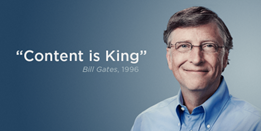 Content is king. While style will get you notoriety, content will take you farther. In Phoenix, for example, both John Brandmeier and his successor had rebellious, bad-boy styles, but Brandmeier’s content depth resulted in greater acceptance and larger shares.
- Emotion is powerful. While generally overlooked, emotion is a weapon for morning shows. Joy, sympathy, empathy, tragedy, outrage, tenderness, and patriotism – to name a few – all can generate powerful responses and affiliations on the part of listeners.
Pic designed by Rawpixel for Freepik.com.
John Lund is President of the Lund Media Group, a radio programming consulting firm with specialists in all mainstream radio formats. Did you find this article useful? You can leave a comment below or email John at John@Lundradio.com.