

Just when on-air talent all over the country thought they could breathe a sigh of relief and, finally, get paid what they should be paid…the noncompete ban may be overturned.
A federal judge in Texas has put the kibosh on the Federal Trade Commission’s ruling to make it easier for an employee to quit their job and work for a competitor. Tuesday, August 20th, U.S. District Judge Ada Brown rejected FTC’s petition for the ban. According to Brown, the FTC “exceeded it’s statutory authority.” She goes on to say, “the role of an administrative agency is to do as told by Congress, not to do what the agency thinks it should do.”
However, there are two other states in contrast to the ruling in Texas. A tree care company in Pennsylvania tried to get the FTC ruling on noncompetes thrown out, but U. S. District Judge Kelly Brisbon Hodge denied the challenge. In Florida a federal judge blocked the ban, but it was only for the plaintiffs of a specific case.
Because of the varying cases, an employment attorney, Julie Levinson Werner, said there is a likely probability of the noncompete rule to be reviewed by the Supreme Court.
Even though there are a fair amount of cases in the works, each state restriction on noncompete agreements will remain in effect. We’ll have to wait and watch what happens.
Clearly, this doesn’t just effect radio. Above you read about a tree service trying to get the ruling thrown out. In Texas, a global tax-consulting firm was the organization who initiated the FTC ruling to be overthrown. In Florida, it was a retirement home who won their challenge.
This could be a lengthy battle, so for now, make sure you know your company’s AND your state’s policies on the noncompetes. Review your contracts as well.
The FTC hoped the ban would result in more than 8500 additional new businesses created each year, higher earnings for workers (estimated increases of about $525 per year), and lower health care costs by up to $194 billion over the next decade. According to the initial ruling, employers are banned from entering into or attempting to enforce any new noncompetes.
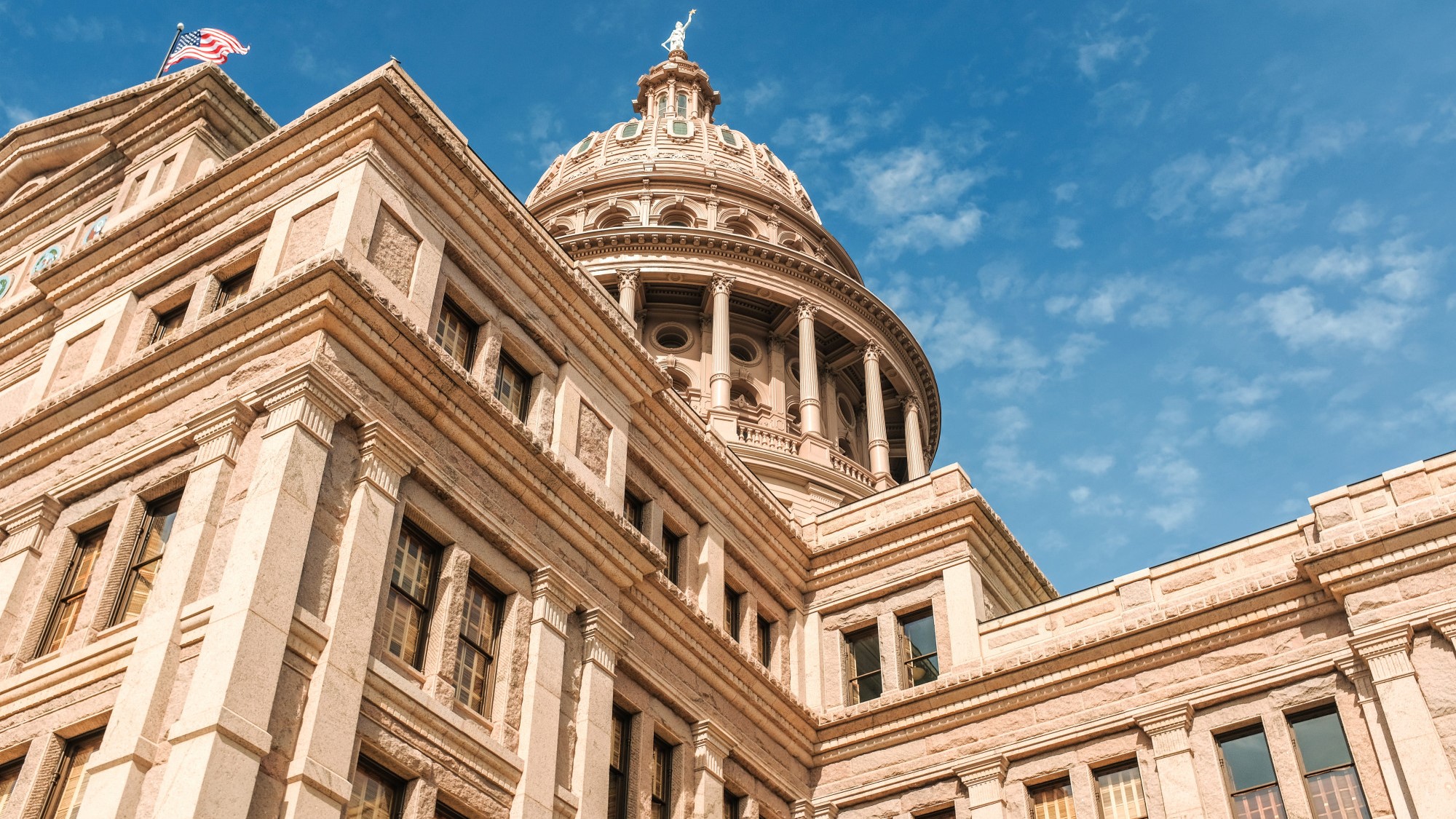
Pic designed by wirestock for Freepik.com.