


What are the secrets of becoming an entertaining personality? While virtually all stations embrace the digital technology of voice-tracking some dayparts outside of morning drive, the talent’s individual performance helps build Stationality. Some talents voice-track a five-hour show in less than 90 minutes so they can perform other tasks like production, music scheduling, show prep, and promotional appearances. Today’s “e-personality” challenge is not to treat voice-tracking as work on an “assembly line.”
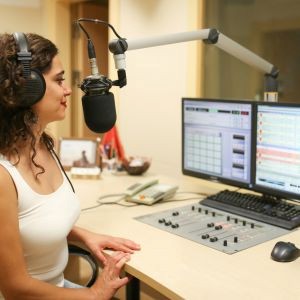
Consider these tips on creating an entertaining show – whether voice-tracked or live – to make a great listener connection. Also, this is an excellent list of programming basics.
Know your target audience! With whom are you communicating? What’s their lifestyle? What’s their age? Where do they live? Create a listener and speak one-on-one with them when recording your tracks. Provide localism and relatability.
Understand the station’s position. Know how your station is defined in the minds of the target audience, the benefits it offers listeners, and how it is is different from the competition.
Practice Nielsen Basics. Voice-tracking should sound like live shifts. Getting cume and maintaining quarter-hour shares depend on these two rules of the ratings game:
+ Sell the Station Name. Deliver the dial position and station name like you would if you left your name and phone number with a receptionist. Say it like you’re speaking the name for the first time. Put special emphasis on the name. Selling the name with sizzle and enthusiasm helps build recall with Nielsen diary keepers.
+ Tease ahead in every stopset. Give a reason for the listener to stay tuned. Pick one programming element coming up and sell it decisively. Focus the listener on anticipation and provide a “payoff” within a realistic time span. Watch Dateline, Entertainment Tonight, 20/20, and your local TV news for examples of compelling teases. Make promote-aheads listener-focused to effectively move listeners to the next ¼-hour, hour, or daypart.
Connect With the Music. This essential connection may be difficult when voice-tracking.
+ Match delivery to the music. Back-selling an up-tempo song should be faster and with the same energy level as the music than back-selling a slow song (using a lower-key delivery).
+ Rid yourself of “announcer-ish” terms in back-selling (“and that was”) and front-selling (“right now it’s”, “here’s”, etc.). Relate to the listener when back- and front-selling. Use music passion, artists, song information, topicality, and relatability when doing intros and extros.
+ Sell the music. Successful restaurants employ servers who know their menus and are enthusiastic about the food. One’s own enthusiasm for the music is contagious, as listeners mirror your passion for the music. The P1 audience is attracted to “believers.”
Pic AI generated by Envato Elements.
John Lund is President of the Lund Media Group, a radio programming consulting firm with specialists in all mainstream radio formats. Did you find this article useful? You can leave a comment below or email John at John@Lundradio.com.