

Technology provides the power. People provide the magic.
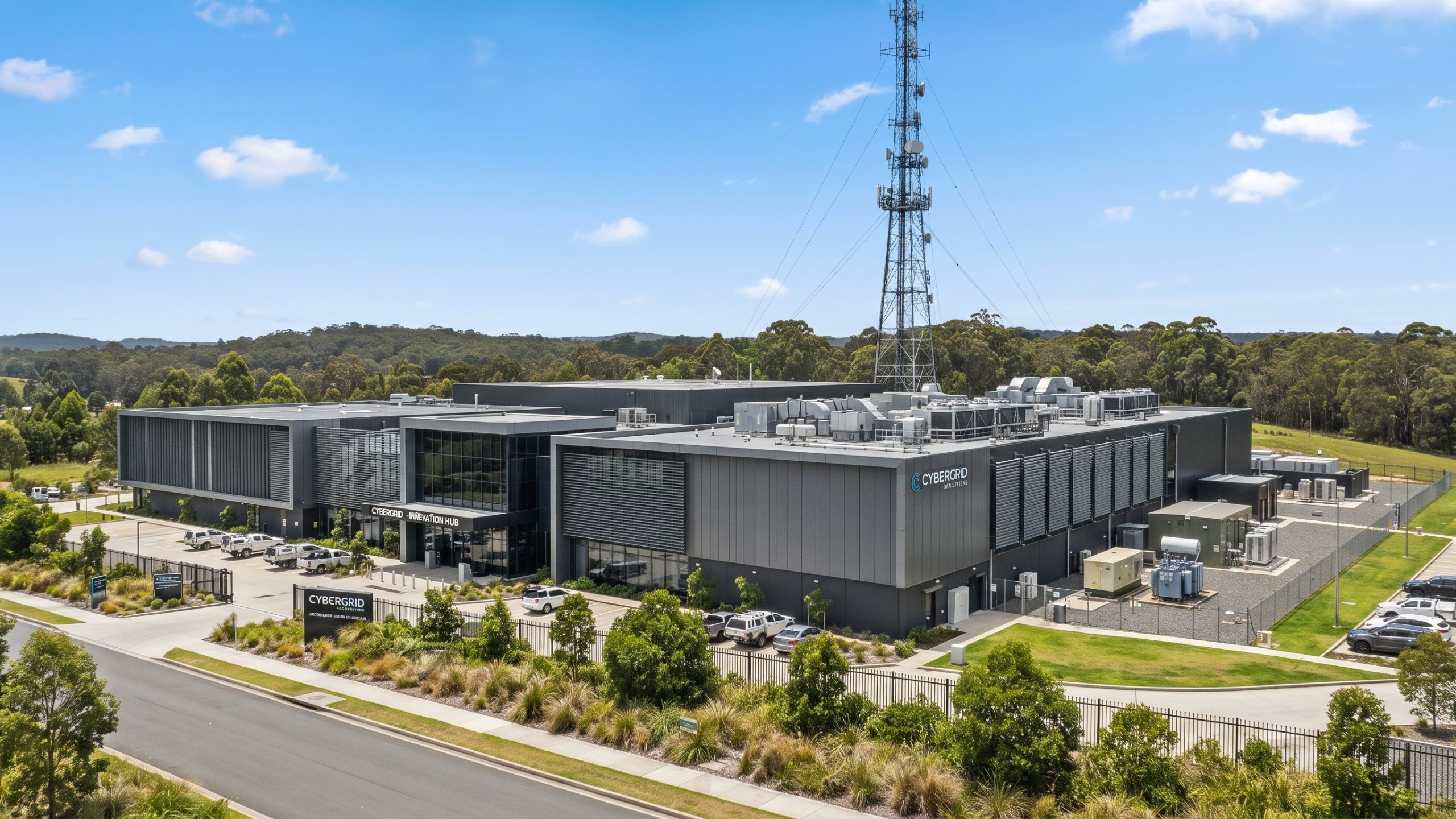
America is on a data-center building binge. Massive facilities are being constructed to provide the computing power behind Artificial Intelligence. They require land, electricity, cooling systems, servers, fiber connections—and enormous amounts of money.
Radio stations have infrastructure, too: transmitters, studios, automation systems, music software, streaming, apps, websites, and increasingly, AI. But here’s the important similarity:
Neither succeeds because of the building or the equipment inside it. What matters is what you do with all that power.
A data center can contain thousands of sophisticated servers, but those servers need software, information, instructions, and intelligence to produce something useful.
Radio is no different. You can have a 100,000-watt signal, a beautiful studio, excellent audio processing, sophisticated automation, and 2,000 songs sitting in a music library. Congratulations. You have infrastructure.
Now, where’s the magic?
A vibrant radio station takes those raw materials and turns them into an experience. The music is carefully researched and strategically scheduled. Personalities don’t simply announce songs; they entertain, tell stories, reflect what’s happening locally, and create relationships with listeners. Promotions give people reasons to participate. Imaging constantly reinforces the brand. Morning shows become daily habits. Digital platforms extend the station beyond the transmitter.
And somebody is constantly asking: How can we make this better tomorrow? That’s programming.
The danger for radio is allowing technology to replace creativity rather than enhance it. Automation can execute a format beautifully. AI can generate information, ideas, copy, research, and production assistance at remarkable speed. But neither knows your community like a great local personality should.
Technology can tell you there’s a traffic jam. A personality knows the construction project causing it has been driving everyone in town crazy for six months—and has a funny story about getting trapped in it yesterday. That’s the difference between delivering information and creating companionship.
Your Station Needs More Than Servers
Think of your station as a human-powered data center. Every day, it should process local information, music, personalities, listener experiences, humor, emotion, community events, and pop culture—and turn it into something listeners can’t get from a national playlist.
Spotify can play the song. Your station should provide the experience around the song. Sirius-XM can talk about an artist, while you can talk about their appearing locally at a club and what’s happening around town.
The future of successful radio won’t belong to stations that reject technology. It will belong to stations that use technology to give talented people more time and better tools to be creative. After all, nobody ever fell in love with a server rack.
The Lund Lesson
Technology provides the horsepower. Programming determines where you’re going. Use AI and automation to make your station more efficient—but use talented people to make it unforgettable.
The Lund Challenge
Listen to your station for one hour and count everything a listener hears that couldn’t come from an automated national music service. Local stories. Personality. Humor. Listener interaction. Useful information. Compelling promotions. Surprises.
If the list is short, you don’t have a technology problem. You have a programming opportunity. The transmitter, automation, and AI are tools; the product is what comes out of them. “Nobody ever fell in love with a server rack.”
Pic AI generated using Gemini.
John Lund is President of the Lund Media Group, a radio programming, broadcast consulting, and research firm with specialists in all mainstream radio formats.