

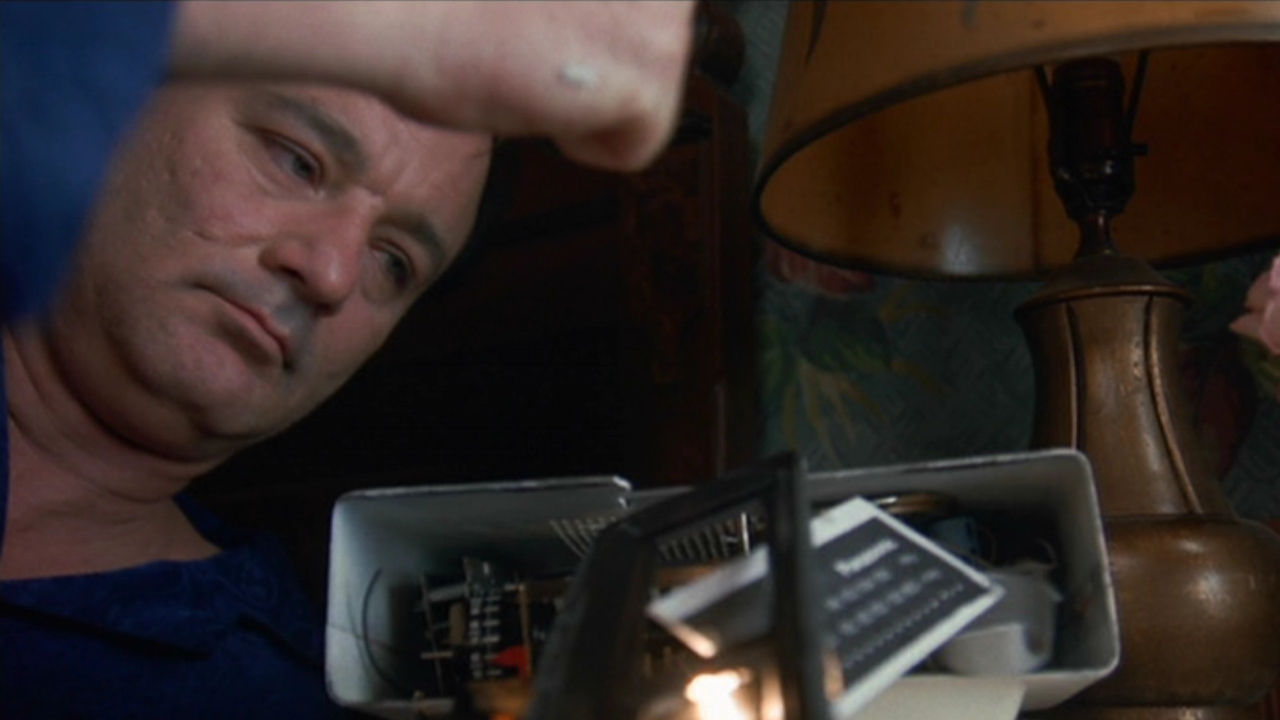
In the classic comedy movie, “Groundhog Day,” Bill Murray awakens to Sonny and Cher’s “I Got You Babe” on a clock radio (remember those?)… every morning as he experiences the exact same day over and over. After several mornings, Bill Murray eventually throws the radio against the wall.
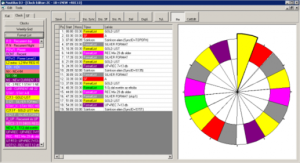
Do your listeners hear the same songs at the same time every day? We call this music scheduling situation “stacking.” Examine your song history and find songs that are being scheduled in the same hour over several weeks.
You can avoid this occurrence by taking the following ten steps:
Step 1: Prioritize the order of scheduling of your categories. Power categories should schedule first before your Secondary rotation.
Step 2: Power and Secondary currents should be an odd number. Normally you do not want more than 7 Power currents and no less than 3 songs. Secondary currents should be no more than 15 songs. This is based on playing music 24/7.
Step 3: Other than “Yesterday Song,” your Power Currents in your first round of scheduling should not have any rules to prevent them from being scheduled. You want your currents to have the minimum amount of rules so they rotate often to gain familiarity.
Step 4: Develop an alternate clock for each daypart, where the clock placement changes for the Power and Secondary currents. The clock should alternate every other hour and the next day it should flip flop alternating with the other clock.
Step 5: For stations not scheduling music 24/7, utilize the “Kick” function where each day at 1 or 2 AM you would skip one song in the category and then return to picking the first song available.
Step 6: Set up your scheduling hierarchy so your Power categories are scheduled first and then your smallest categories in Secondary next. The larger Secondary and feature songs should be scheduled last.
Step 7: Utilize your “Yesterday Song” and “Prior Day” rules and in the larger categories your “Daypart rotation” rule.
Step 8: It’s good to “Shuffle” several times a month.
Step 9: Review your song history maps frequently. Relax your rules so they don’t force your music scheduling software to “stack.”
Step 10: Avoid overusing “dayparting” as once the “daypart restriction” is lifted the song may get scheduled in the first hour after the restriction was lifted.
By reducing “stacking,” you can maximize the songs in your library and not give listeners the perception that you have a limited library.
Photo AI generated by Envato Elements.
John Lund is President of the Lund Media Group, a radio programming consulting firm with specialists in all mainstream radio formats. Did you find this article useful? You can leave a comment below or email John at John@Lundradio.com.