


What should on-air content be when you have just three or four stopsets an hour? Answer: A ‘stopset’ is a break in the show for commercials or station promotions. Delivering station promos, conducting a contest, and providing info like weather and traffic is not “content.” The concert calendar, celebrity birthdays, “This Day in History,” community events, and similar lists are typically perceived as on-air clutter.
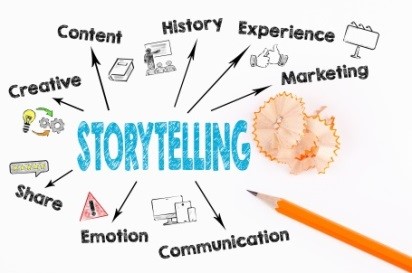
Use Storytelling to Enhance Your Show: For instance, you can share personal anecdotes, narrate interesting incidents, or even retell popular stories in a unique way to engage your audience.
At the Indiana Broadcasters convention (I was conducting a Science of Programming workshop), a midday talent who also voice-tracks PM drive on a sister station asked me the content question above. Unfortunately, facts, figures, and features we used to consider “interesting” to our listeners are often tune-outs. They don’t resonate with listeners.
Effective content is not just about facts and figures. It’s about the power of storytelling. Stories that evoke emotions and create ‘sticky’ memories are what truly captivate and engage the audience. Air talents who can master the art of storytelling have a significant advantage over those who simply deliver lists of facts.
Stories about the music work well; most of the audience listens to radio for the music and their favorite songs. Beyond music, think of what experiences connect you with the audience. What activities are your audience engaged in? This helps build a connection. What will connect with listeners at work?
Other valuable sources of content are stories about relationships. Whether it’s about spouses, partners, co-workers, or neighbors, these stories can resonate deeply with the audience. Finally, topicality is another rich source of stories.
For instance, when a natural disaster occurs, sharing stories of people dealing with it can make the audience feel understood and prepared.
Sharing a great story is like giving your audience a gift because it will stay with them. This is what great talent breaks are made of.
Here are five talent ideas to enhance stopset content:
- Tell a unique story about the song or artist (use www.songfacts.com)
- Talk about a local business, like a new Ikea or Taco Bell
- What makes your town special – like a park or zoo
- Provide a positive, upbeat story about someone who did something good
- Relate a story about going to the mall (like all teens on their cell phones)

Show content is a tricky business. Time restrictions require each word to be weighed. If the material doesn’t appeal to the core audience, it’s a sure miss. If the talent isn’t interested in the content, it will usually fall short. Simply put, sculpt the morning show’s content.
Content-Based Storytelling
In stand-up comedy, there are two styles:
- Rapid-fire short jokes, and
- Stories about a theme.
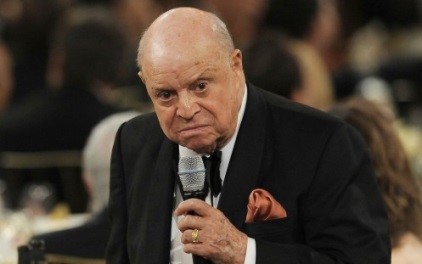
Today, storytelling is preferred, while one-line jokes are considered “old school” (Don Rickles).
People view morning radio content the same way. Old school content is “This Day in History,” “Celebrity Birthdays,” “The Top Five,” “The Daily Almanac,” etc. Analyzing Nielsen PPM data, this style represents a high risk for tune-out instead of creative content based upon personal storytelling. Also, research says that people don’t like lists read to them.
Every story should have a beginning, middle, and end. The best practices by air talents should use the Three E’s:

- Engagement: In the first few seconds, hook the listener. Use a compelling headline, a question that addresses conflict, an emotional feeling, or a piece of audio that resonates with the listener.
- Entertain: This is the heart of the story. Talents create a “page-turner” story by moving toward the resolution. Editing is essential. Talents stay on point, eliminating details that can cause a detour toward another tangent.
- Exit: In our short attention span world, focus on one story. Content breaks containing several stories can cause tune-out. The Exit requires discipline by the on-air host to end the story at the climax (punchline). If you use more stories, use them as teases for another break.
Morning show personalities develop compelling stories instead of delivering lists. A story taps into the listener’s emotional core and will endear them to the personality – especially if they provide personal stories. Storytelling includes talents revealing their observations from their lives.
Pic designed by Freepik.com.
John Lund is President of the Lund Media Group, a radio programming consulting firm with specialists in all mainstream radio formats. Did you find this article useful? You can leave a comment below or email John at John@Lundradio.com.