

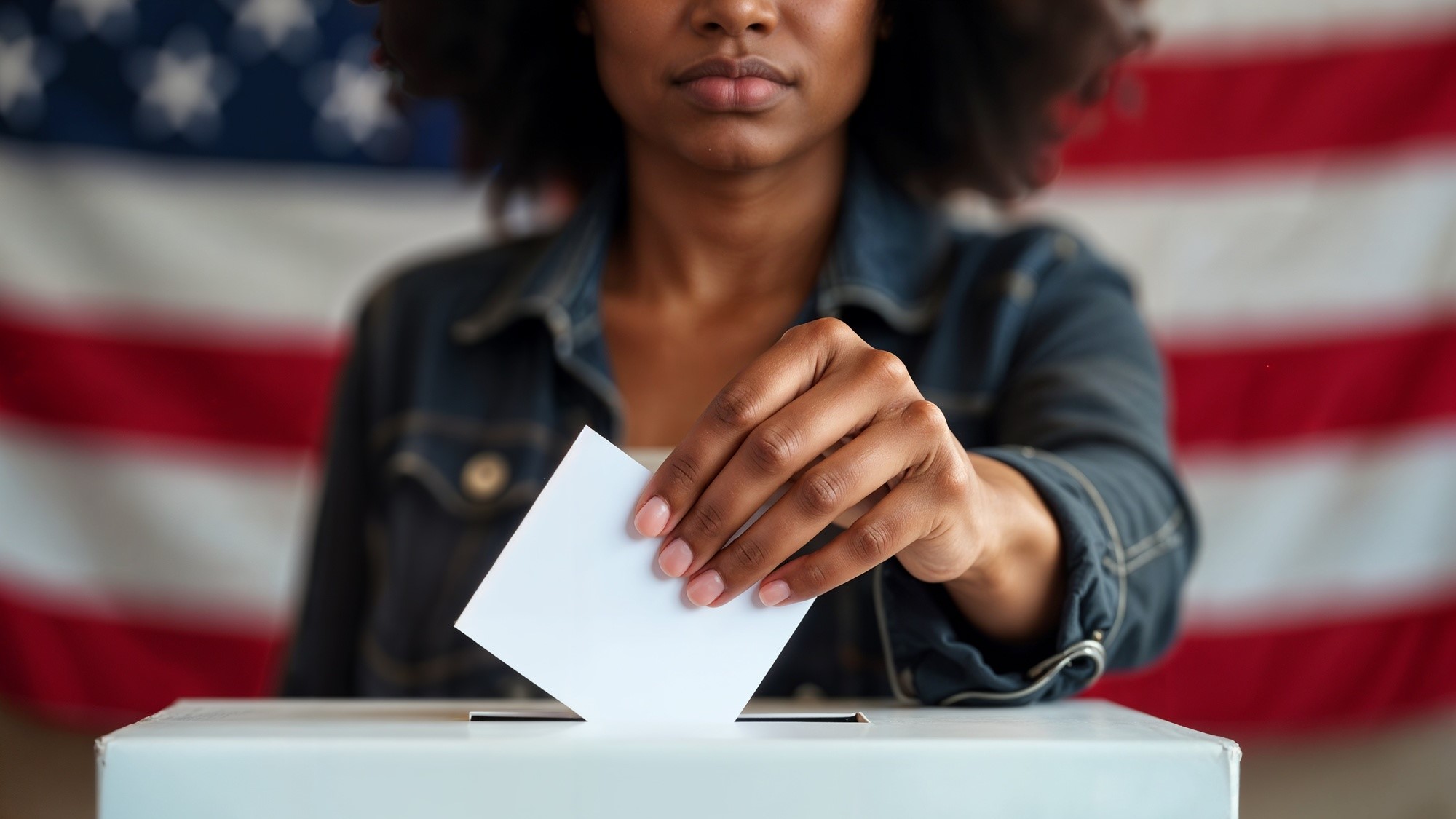
Talking about politics and elections is tricky, especially in a world where each side is convinced there is only one right choice (and it’s theirs). Some stations have a strict “no politics ever” policy. Then there’s the other extreme: Stations and shows that thrive on controversy and get deeply involved (talk radio). Most shows should be somewhere in between. The sweet spot relates to the most relevant topics of the day but doesn’t devolve into the mudslinging and controversy. There is a way to do it, and it’s your responsibility to find a way to reflect it within the boundaries of your character profile.
How To Talk About Politics And Elections
Unless you are on an all-news or news-talk station, most of the audience is not coming to your show to hear about the issues or candidates. They don’t want to be told what to think or how to vote, and they’re certainly not listening to hear (another) fight over who’s right and wrong. Even if they were, do you think you’d win an argument with someone who isn’t going to change their mind?
Most shows are designed to entertain and engage, not try to influence attitudes or opinions. And most audiences are looking for an escape from the seriousness of life. They want to be entertained, not get riled up in controversial politics and elections.
On the other hand, it makes sense to deal with high-profile elections on the air. Pretending it isn’t happening because the fear of ruffling a few feathers is naive. But you don’t have to change the nature of your show to try and “cover the issues.” Instead, find angles to embed your content in the surrounding environment.
Examples
Here are some ways to deal with politics and elections for mainstream stations (this does not apply to most talk shows):
Avoid Political Soapboxes: You can’t win, and it’s not what you are for. Political commentary is inconsistent with listener expectations (for most personalities), and no matter how much you try, it’s highly unlikely you’ll change anyone’s mind.
Use Humor: Satire and parody work, as long as it’s not a veiled attempt to comment on politics or designed to start a fight. SNL’s highest ratings happen around the election cycle when they roast the candidates and issues. Some shows find success playing audio from late-night comedy shows, but if you do this, always make the content work into your topic. Don’t just play the clips and transfer credit to the source. Your goal should always be to hijack the attention.
News: Information segments may be the best (and perhaps only) place to include political content. This isolates politics and elections content from the entertainment part of the show. Some shows comment on the stories, which is fine if you avoid opening a discussion you aren’t prepared to finish. In other words, know your role and prepare accordingly.
Embed In Features: There are many ways to relate to the election through features and games. There are dozens of opportunities to leverage the political environment without being controversial.
Storylines: Another effective technique is to create relationship stories around the election. For example, a caller admits he only participates in elections to counter his wife’s choices and neutralize her vote. She thought they always agreed and voted together, but just found out what he’s been doing for the last ten years, and now they’re fighting. This uses the political situation as a background for the primary story. It’s a very effective tactic.
Conclusion
Politics are difficult to talk about on the air, but just because it’s tricky doesn’t mean you should avoid it. Great personalities find a way to talk about virtually any topic. The art comes in finding a proper entry point and angle to stay within the boundaries of your character brand.