

Recent news and weather events underscore the challenge many stations have during stressful times. Emergencies always seem to take us by surprise, but with a little planning, even stations with limited staff can shine when the audience counts on you most.
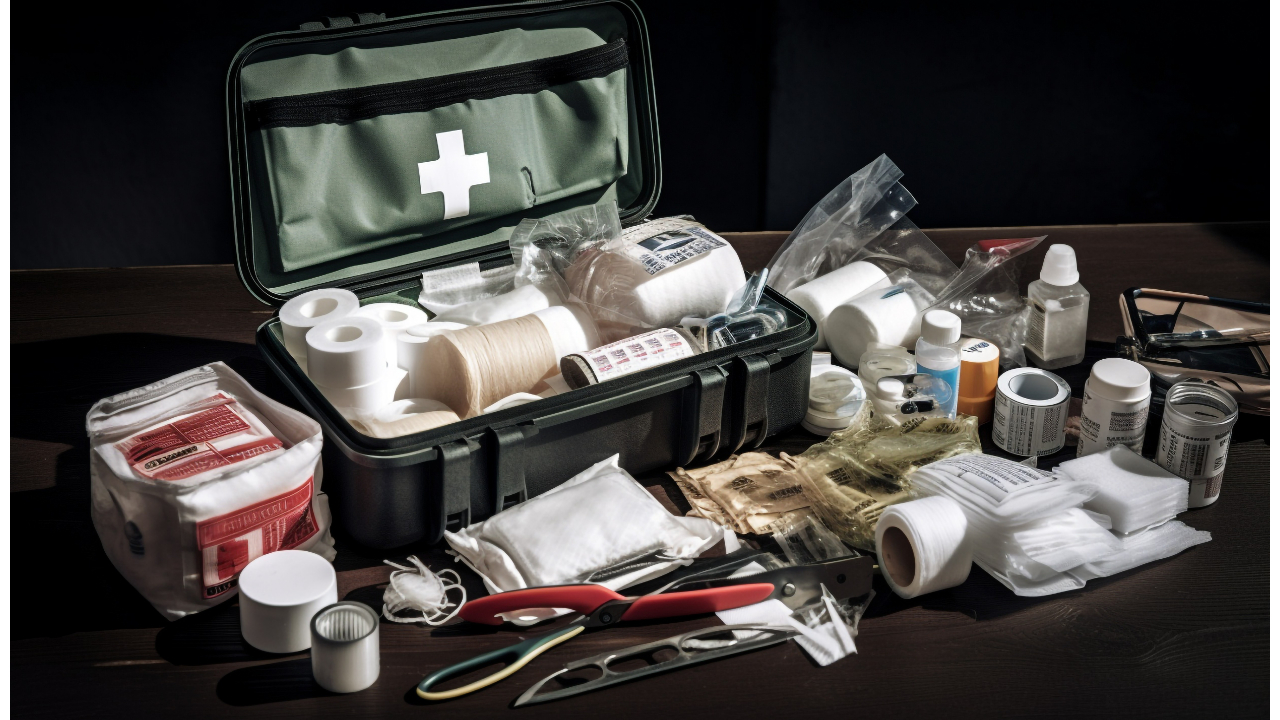
Most families keep an emergency kit at home. Flashlights, batteries, water, and a plan everyone understands. Radio stations need the same kind of preparation. Not just for hurricanes and wildfires, but for sudden tragedies, community crises, and fast-moving events that instantly change the tone of a broadcast day.
When something serious happens, listeners turn to familiar voices. That trust can be strengthened or damaged in a single shift. Preparation does not remove emotion or authenticity. It removes confusion, hesitation, and preventable mistakes.
This checklist is not about turning music stations into news operations. It is about helping stations respond with clarity, empathy, and confidence when it matters most.
Emergency Foundations
Before anything goes on the air, a few basics must already be in place.
Station Policy
Every station should have a written emergency policy. It does not need to be long, but it must be clear. At a minimum, it should define who has final editorial authority, who can override normal programming, and what topics require extra caution or verification. In emergencies, decisions happen fast. A clear chain of command prevents on-air hesitation and internal confusion.
Phone Tree
One person should activate the station’s emergency phone tree. This is not a group text free-for-all. That person should notify essential staff, share only confirmed information, and set expectations clearly. Even a short update that says “no new information yet” reduces anxiety and keeps everyone aligned.
Information Management
Emergencies create information overload. The goal is not to absorb everything. The goal is to control the flow.
Information Coordinator
Assign one person to gather, verify, and filter information. This role is critical. They monitor local and national sources, track official updates, flag unconfirmed reports, and summarize key facts in plain language. When air talent has a single trusted source inside the building, accuracy improves and stress drops.
Phone Screener or Producer
Breaking events drive call volume and emotional reactions. A screener or producer protects air talent by filtering callers, identifying meaningful stories, and preventing misinformation from slipping on the air. If a station does not normally have a screener, recruit one. Judgment matters more than radio experience in these moments.
Resource Management
Prepared stations sound more connected than they actually are, and that is smart planning, not deception.
Team of Experts
Maintain a short list of trusted experts that can be contacted quickly. This might include meteorologists, emergency managers, medical professionals, school officials, or utility representatives. Assign someone to keep this list current. When a crisis hits, scrambling for contacts wastes valuable time.
Expanding Authority Voices
Most stations do not have large news staffs, but that does not limit credibility. Local TV reporters, newspaper journalists, and digital reporters covering the story can provide context and clarity. You are not competing with them. You are translating information for your audience.
Guest Strategy
Guests should add perspective and humanity, not replace reporting.
Community Leaders
Depending on the situation, reach out to school administrators, business owners, faith leaders, or nonprofit organizers. Social media is often the fastest way to connect. Avoid asking them to speculate. Focus on how the community is responding and what listeners need to know right now.
Human Stories
Every crisis produces individual acts of support and resilience. Highlighting people who are helping others allows stations to cover serious events without sounding identical to every other outlet. These stories restore a sense of connection and agency for listeners.
Final Thought
No checklist can predict every emergency. That is not the goal. The goal is to remove friction when emotions are high and time is short. Preparation allows stations to lead with empathy instead of panic and intention instead of improvisation.
Listeners may forget headlines, but they remember how a station made them feel during difficult moments. A clear emergency checklist does not make a station clinical. It makes it dependable when it matters most. Make plans now, and you’ll be ready when the next emergency happens.
Pic designed by vecstock for Freepik.com.
Tracy Johnson is a talent coach and programming consultant. He’s the President/CEO of Tracy Johnson Media Group. His book Morning Radio has been described as The Bible of Personality Radio and has been used by personalities worldwide.