

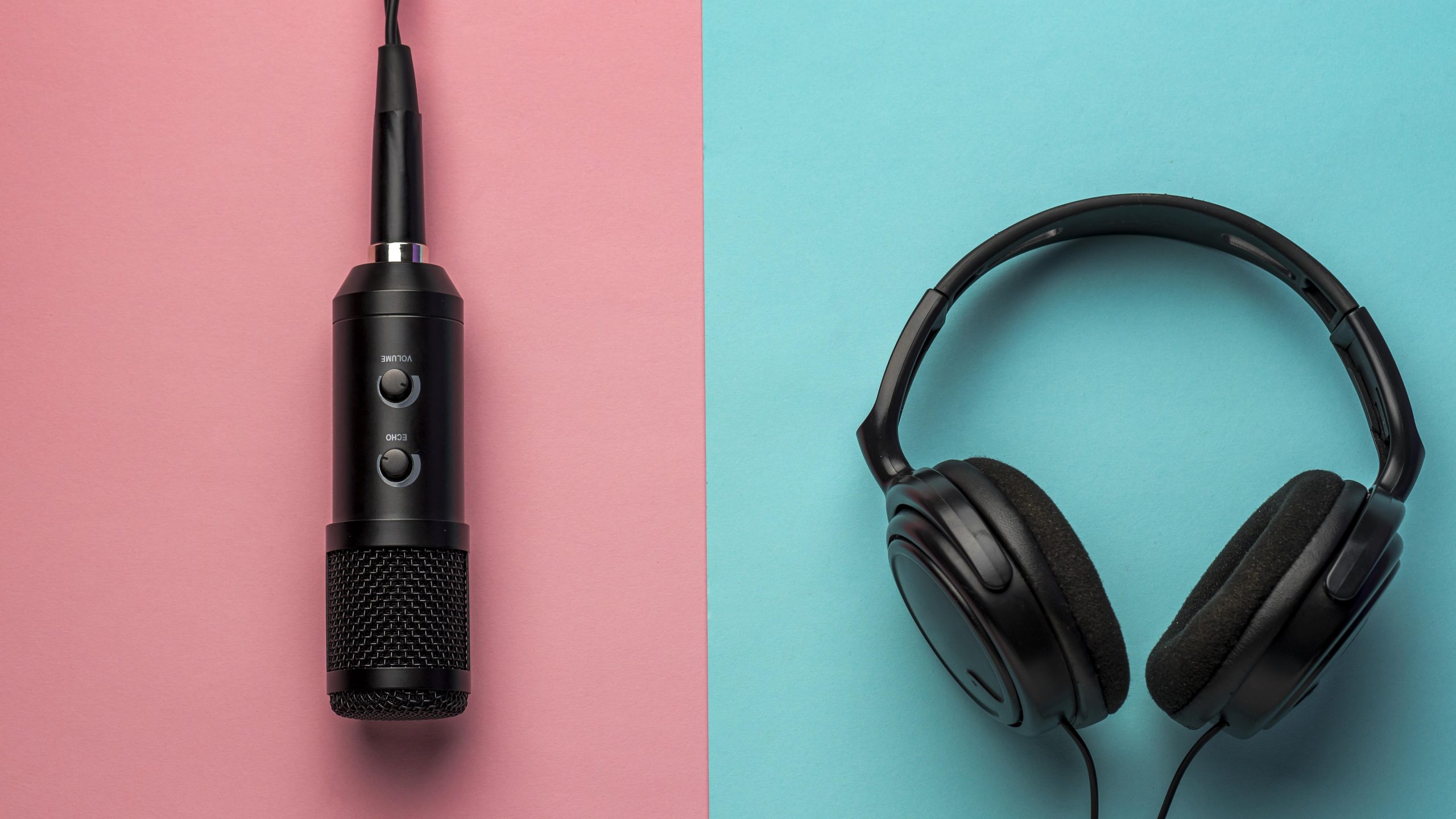
Sonic branding is increasing as advertisers embrace audio and acknowledge its consumer reach and effectiveness.
Sonic Branding has nothing to do with the hamburger chain. In recent years, we’ve seen an increase in brands launching audio identities for the first time, according to Made Music Studio, which provides sonic branding for HBO, AT&T, American Express, and others. Sonic branding is also called audio branding or acoustic branding, and it is the sound of your brand.
In short, sonic branding is the sound of the brand. It’s the default ringtone on the Apple iPhone, MS Windows, and McDonald’s 5-note “I’m Lovin’ It” theme. Hear it here: McDonalds Audiobrand on YouTube.
American Express, Frito‐Lay, Colgate, General Mills, and Walmart have “significantly increased their sonic investments in the last 18 months,” according to John Taite of Made Music Studio. As we in radio have known for decades, sound has become a secret weapon for brand marketing. “When it’s done right, audio branding has the power to improve performance and sales. But if your brand is on mute, it’s a lot easier for consumers to ignore you.”
According to a study by Sentient Decision Science, sound can influence a person’s desire to engage a brand by 86%. Humans react quicker to sound than visual. Thirty milliseconds faster, Taite says. “That split‐second advantage for sound is vital because it establishes our emotional state and colors our expectations for a brand experience. His company developed the sonic identity for AT&T. The four notes became the company’s second‐most identifiable brand asset in three years after the AT&T Globe. “Not only did their Mnemonic express the brand concisely, it also struck an emotional chord with consumers and became instantly recognizable,” Taite says.
Another reason for the increase in sonic branding is the measurability of its impact. Many companies have quadrupled their buys on audio‐first platforms like radio. Additionally, commercials using sonic branding cues achieved eight times higher recognition and attribution.
Taite says, “We anticipate the demand for sonic branding will continue to grow from nice‐to‐have to must‐have for companies in virtually every industry.”
If sonic branding is so effective for retailers, why have radio stations declined using jingles that sing their logo?
Pic from Freepik.com.
John Lund is President of the Lund Media Group, a radio programming consulting firm with specialists in all mainstream radio formats. Did you find this article useful? You can leave a comment below or email John at John@Lundradio.com.