

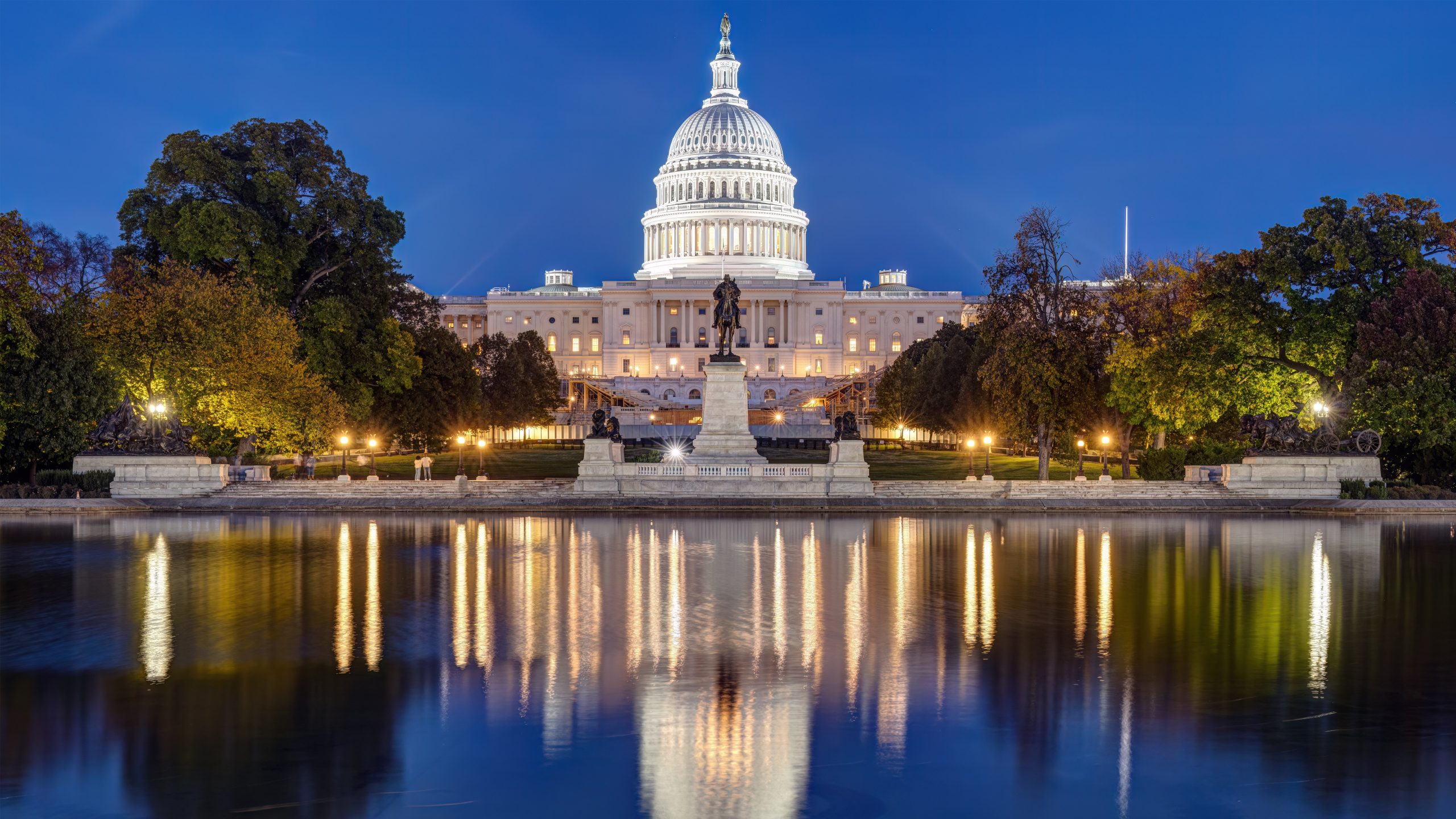
It seems like everything we do, wear, eat, etc is politicized to the point of absurdity. Personally, I think it’s destructive and a huge problem facing this country today. Professionally, however, the existence of public media is of paramount importance to our country. For those in the broadcast industry and related marketing and creative fields, we should be deeply concerned with the new FCC commissioner Brendan Carr and his efforts to end public broadcasting or at least do away with its federal funding. Just because the President doesn’t agree with the general content of public broadcasting, this is no reason to end its funding. This would put most, if not all, of these radio and TV stations out of business. It sets a very bad precedent and as marketers it would eliminate a valuable sponsorship platform for us.
A large percentage of public broadcast content is not political in nature, e.g. Science Friday, Marketplace, This Old House, The Moth Radio Hour, Masterpiece Theatre, NOVA, etc. How many of us grew up watching Sesame Street and got valuable learning while being entertained by Elmo, Bert and Ernie, Big Bird and a great cast of guests.
The Public Broadcasting Act of 1967 was created to provide non-commercial, educational and diverse programming generally not available on standard commercial airwaves. For years these broadcasters struggled to get supplemental funding in addition to the federal money they received so they could run a quality operation and still stay within the non-commercial guidelines. In the 90’s I worked with NPR, PBS, APR, Radio Pacifica and a few local public stations help them understand how their platforms could be extremely valuable to advertisers, and what they had to do in order to get them in the consideration set with media buyers, planners and marketing departments while still adhering to their charter. I [accomplished just that, and these outlets became important channels for local and national advertisers.
In advertising we talk about reach, i.e. reaching as many people as possible, and target audiences, i.e. communicating our message to the people that are right for our product/ service. Public broadcasting is a great vehicle to expand brand awareness and speak to a specific crowd in a unique environment. Most experienced ad agencies, media companies and brand marketers know this. Don’t let us lose a valuable option!
From an economic perspective, don’t let these thousands of employees become the latest addition to our growing unemployment numbers further draining the present economy. This ultimately affects a company’s profits. We all know when profits are down, ad budgets follow suite. Tell the RAB, NAB, the ANA to use their D.C. influence and keep us strong like they did for AM radio in cars last year.
Pic by elxeneize for Envato Elements.
Matt Feinberg is the Chief Strategy Officer, Sales & Marketing at Gen Media Partners, he is a seasoned media and marketing executive strategist and university level educator.
3 thoughts on “Public Media Serves a Vital Function”
Public Media, PBS NPR, are extremely liberal using taxpayer money to slam conservatives. I think you are so wrong. They want my money to slam the Trump. It’s pathetic. Public Media includes religious broadcasters who use fundraising dollars to promote their opinion. In that case it is important. NPR PBS need to do the same. I don’t want them using my money for their agenda.
Taxpayer-Funded Bias Has Run Its Course
Reading Matt Feinberg’s editorial defending continued taxpayer funding for Public Broadcasting (NPR, PBS, etc.) was both challenging and, frankly, a waste of time after the very first paragraph. His claim that FCC Commissioner Brendan Carr wants to “end” Public Broadcasting is a classic example of the kind of distortion too often heard from the left. Carr never said that — but I’ve come to expect that kind of misrepresentation when liberals feel their favored institutions are being questioned.
I know more about public broadcasting than Feinberg and most others who parrot the same talking points. That’s because I am a public broadcaster — in the true, traditional sense. I’ve operated in the commercial broadcast industry since 1974, paying full freight for everything from BLM Right-Of-Way fees for transmitter sites to expensive Nielsen ratings subscriptions. Meanwhile, so-called “public broadcasters” pay a fraction of what we do, yet somehow expect us to applaud their taxpayer-funded operations.
It’s worth asking: why do they even subscribe to Nielsen ratings if they’re not supposed to be selling advertising? The truth is, they are. Anyone who’s paid attention knows that Public Broadcasting has been running underwriter spots — effectively commercials — for at least two decades. They dress them up with soft language, but it’s marketing all the same. They use ratings to justify and sell those spots. Period.
If you’ve ever visited a Public Broadcasting facility, as I have, you’d notice something else: they’re often equipped with state-of-the-art technology and pristine offices — the kind of setup most independent broadcasters could only dream of. And yet, we’re told they need more of our money? Public Broadcasting is constantly crying poverty while operating with better facilities and fewer financial constraints than those of us who actually compete in the free market.
To Feinberg and those who believe the government should keep confiscating Americans’ tax dollars to support a handful of cherry-picked programs: pay for it yourself. You love it? Fund it. I’ve paid for my broadcasting operation for more than 37 years, and neither I nor anyone I know has benefited one second from the government’s $500+ million annual handout to Public Broadcasting.
Ironically, a spokesperson for NPR recently claimed that only 1% of their budget comes from federal funding. If that’s true — and if their executives are as smart and capable as they’re often made out to be — then surely they can figure out how to cut 1% of their expenses and we can stop footing the bill.
Public Broadcasting has had a long ride on the taxpayer’s back. It’s time they walked on their own.
Thanks for the response Jerry. We appreciate you taking the time to read our articles. If you found it challenging to read, I might suggest a thesaurus. Appreciate your feedback and you make some points worth considering for sure.
The article was not meant to be an editorial per se, but rather to view public broadcasting from a marketing perspective. I can tell you it has been a valuable marketing platform for hundreds of advertisers, which I’m sure you can appreciate from a business point of view.
When I consider the right platforms for clients, I do my best to put my political beliefs aside and do what’s right for the business. When I was on the agency side, I was one of the first buyers in the country to place budgets on both Rush Limbaugh and NPR.
We all want to keep radio top of mind with advertisers. ” All boats rise with the tide”. I hope your station continues to float at the top.