

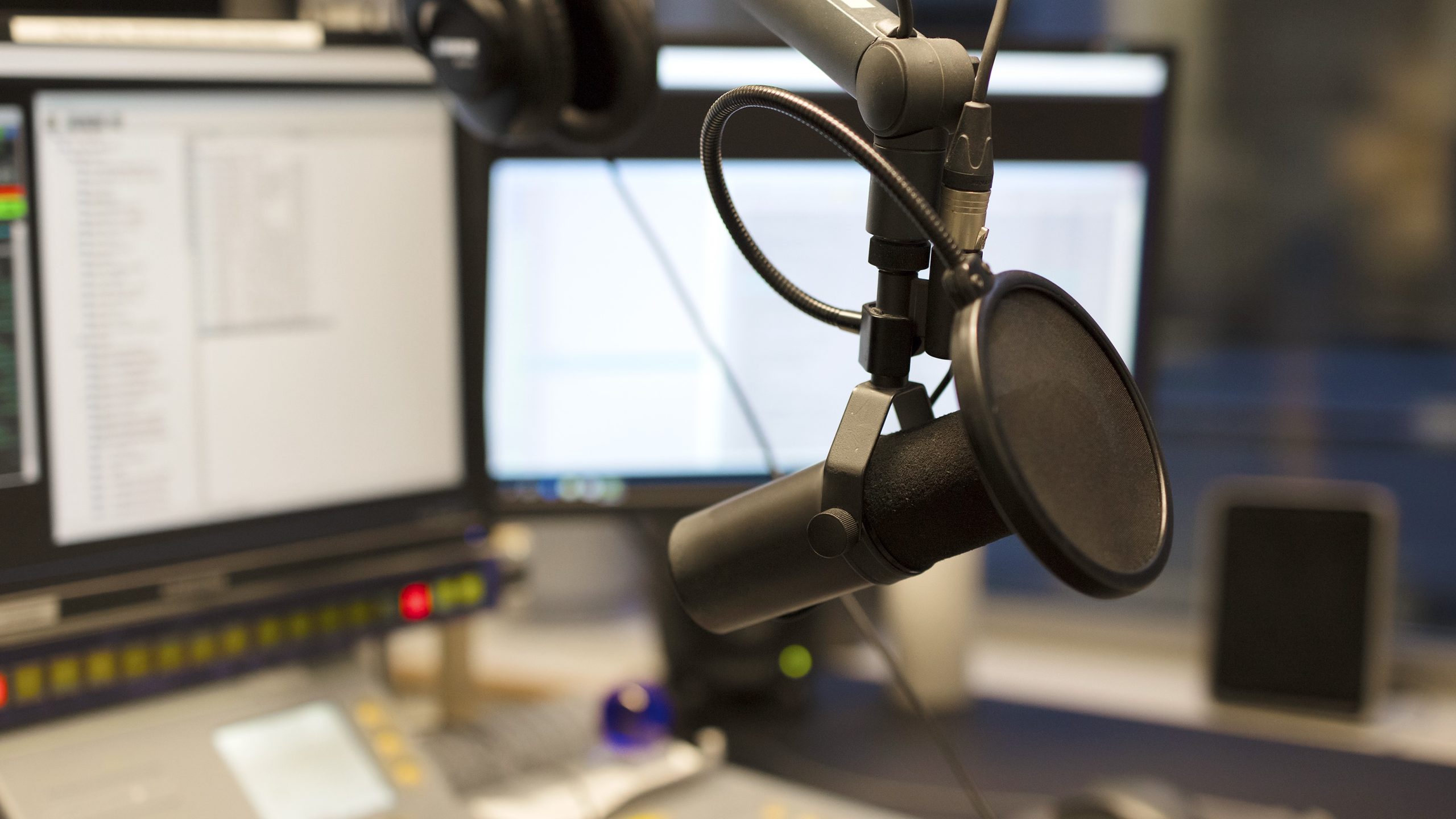
There are so many positives about radio today. It enjoys stability and growth among listeners as well as advertisers. With all the competition from satellite and digital competitors, radio continues to be heard by 93% of the US population every week.
Local Radio is Booming
A survey of media buyers and planners casts a positive image of radio’s key attribute, which is localism. This is an element that cannot be captured by Sirius, Pandora, or Internet and digital stations.
Advertisers say, “It’s not overly expensive. It’s targetable.” Media buyers like radio a lot. And so do local advertisers who will profit from all the benefits that radio provides.
Personal Connection
When it comes to radio, it’s just different. People watch television. But they engage with radio. They connect. Localism is the one element that cannot be captured by satellite radio or streaming audio sources like Apple Music, Tidal, and Spotify.
Radio is driven by individual connections. Earning that first button in the car comes from loyalty, and a station that attracts the local listener. It’s the ability to deliver customers for the local advertiser, even if their store is part of a national group. Your local “touch” is vital via your signal, your website, your app, your social media, and in your market.
Radio is Personal
People put stations’ bumper stickers on their cars. Have you ever seen that for a newspaper or TV station? Radio defines what it means to be a local medium, more so than newspapers or TV.
Radio is a community medium. DJs show up at fairs, street festivals, parades and wherever crowds gather. They entertain. In many communities, radio is the only locally produced entertainment available. From this you get the bumper stickers and a sense of belonging that so defines community.
Also, radio is social – the original social medium. Radio stations bring people together and gets them talking. Radio is uniquely positioned to reap major gains in the great and protracted shakeout going on in local media markets.
Syndication is Not Local Radio
Some local radio stations have been severely hurt by cutbacks and consolidation. Media buyers complain about a decline in local on-air talent and the rise of syndicated shows.
Local radio needs to be reinvigorated, revived, reinvested in, and “re-envisioned.”
Reinvigorating Radio
Broadcasters must take advantage of all the benefits local radio can bring to advertisers and listeners.
- Radio is comparatively inexpensive. Radio CPMs are well below the cost of newspapers and primetime network TV.
- Radio is targetable in a way that neither TV nor newspapers are. Each genre comes with a unique audience.
- Radio is easy to buy. Buyers say radio is much easier than newspapers and out-of-home media.
- Radio is held in high regard by media buyers in terms of cost, targeting, and overall effectiveness — higher, in fact, than all other media but digital.
- Listening to radio you can multi-task as opposed to watching television and reading a newspaper requiring your full attention.
- Radio looks better and better as other media suffer.
- Listening in the car benefits the local retailer when the listener hears the commercial just before they shop.
- In the old order, it was newspapers, TV, then radio, and each operated in a silo, with its own sets of advertisers.
- Two things happened. First, local newspapers took a beating; their revenues were slashed by more than half.
- That’s created opportunities for other media. Radio can only gain.
- And two, the silos are gone. Local markets are now wide open and highly competitive.
- Advertisers are a lot more sophisticated. Radio can make its case to a much larger group of advertisers.
Pic by kjekol for Envato Elements.
John Lund is President of the Lund Media Group, a radio programming consulting firm with specialists in all mainstream radio formats. Did you find this article useful? You can leave a comment below or email John at John@Lundradio.com.