

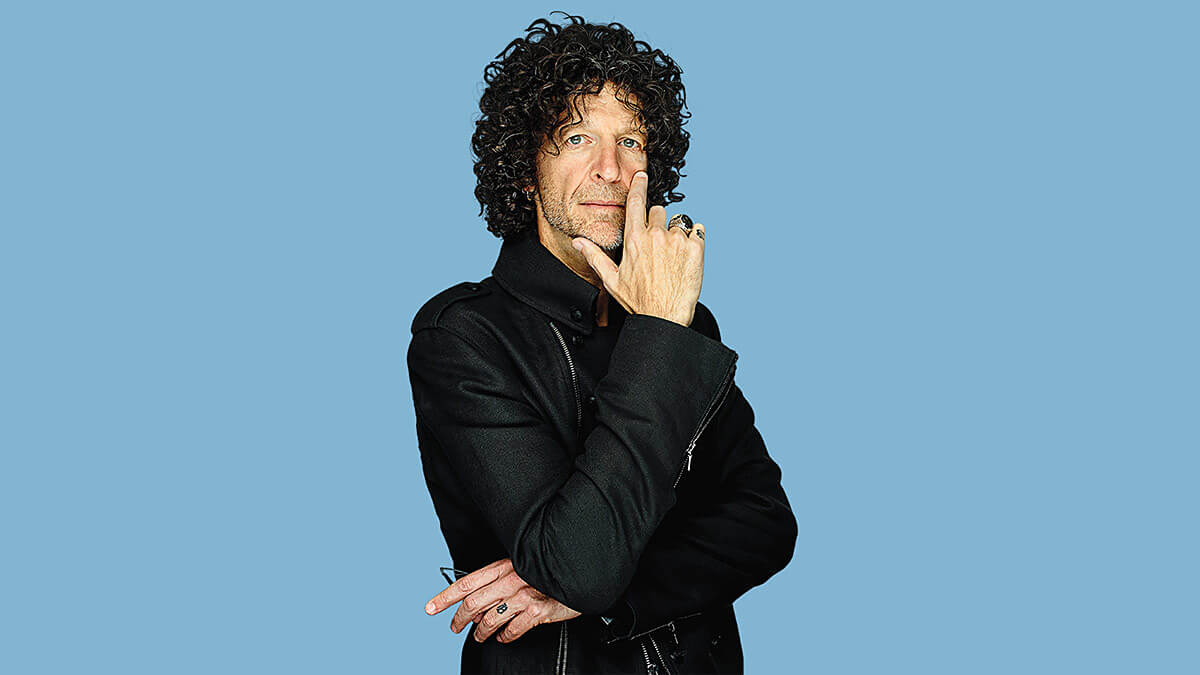
Howard Stern, who turns 71 in January, has been on radio for 50 years. After watching his movie Private Parts and reading his book, we found many things in his journey that can help advance your career.
- Start in Radio Early
Many of the best on-air personalities have early radio roots. Howard Stern knew he wanted to be on the radio at the age of five. Stern’s first disc jockey experience was at Boston University’s campus radio WBTU in 1973. This was followed by a job in Westchester, NY, after graduation in 1977 for a salary of $96 a week.
- Stick to Your Principles
Because he was not a great jock but showed a good work ethic, the station manager promoted him to program director, where he succeeded. Ratings and profits increased, but he hated uncomfortable social interactions like firing people.
Stern gave up his PD paycheck of $250 a week and got back on the air for less money. He wasn’t great, but he got better. He worked on his act and had several great coaches, including PDs and his (first) wife, Alison.
- Be Prepared and Focused
Howard Stern evolved as the “wacky morning man” on WCCC in Hartford, CT, in 1979. On his first day, he took a wrong turn on the freeway and arrived at the studio at the last minute.
Sweaty and breathless, he briefly sat in the control room before his first break and on-air debut. And yet, when he turned the mic on, he pulled a mental and physical switch. He could focus completely on the on-air performance, regardless of the circumstances at that moment. During the show, nothing was more important than that performance.
- Develop Your On-Air Character
WCCC was where Stern gradually developed his personality. Alison told Stern to realize that he should be honest rather than just entertaining. Then, one day, when doing a live read, he couldn’t find the script, so he improvised by ad-libbing the spot but got caught up in his own words. It forced him to get out of the “disc jockey role” and level with the audience by telling the truth and admitting his fault.
- Follow Your Emotional Compass
The next stop was WWWW (now WDTW) in Detroit in 1980. Stern was living alone after a fight with Alison, which left him frustrated and uninspired. The listeners didn’t like him, and neither did his colleagues. The PD said, “You talk too much, and I want time and temperature four times every fifteen minutes. When the station flipped from Rock to Country, he did what felt right and quit (live on the air).
- Make Life Your Show Prep & Be Innovative
Stern realized he needed to get more intimate with the audience by talking about his private life on the air and saying what he thought. Alison’s advice was to go all the way on the air, and he finally did. Stern moved in 1981 to be the morning host of WWDC in Washington, D.C. There, he not only entertained but did things that nobody else had done before. Stern turned his show into an active listening experience, and it became a show fans could not turn off.
- Assemble the Right Team
It was there that he met news anchor Robin Quivers who quickly became his witty “voice of reason” on the show. Stern learned to hire co-hosts and producers who complimented him. He brought in “Quiet Storm” Fred Norris, who was great with character voices, comedy bits, and sound effects. They knew each other from WCCC, where Fred did the night shift. Later, comedy writer and producer Jackie Martling joined the team.
- Push the Boundaries
WNBC in New York saw what Stern did in Washington and offered him a million-dollar contract to host afternoons on the station. There, he faced the biggest management resistance. They tried to tame him with format rules (“WNnnnnBC!”) and FCC regulation. He constantly made fun of the program director – nicknamed ‘Pig Vomit.’ Stern talked about his life and pushed the boundaries but did not break them.
- Keep Listeners Constantly Hooked
Howard Stern had unparalleled Time Spent Listening. He proved that you can win in radio by having an authentic yet polarizing personality. Amazingly, people who disliked Stern also listened.
- Make Every Interview Sound Interesting
Stern conducted compelling interviews. He always extracted interesting and little-known facts about those he talked to. While his interviews could be very long, Stern was well-researched, and guests seemed to appreciate his effort and were willing to open up. Interviewing became Stern’s greatest strength.
John Lund is President of the Lund Media Group, a radio programming consulting firm with specialists in all mainstream radio formats. Did you find this article useful? You can leave a comment below or email John at John@Lundradio.com.
2 thoughts on “What You Can Learn From Howard Stern”
Too bad Howard took a side. He lost me when he interviewed Kamala and kissed her rear. He needs to understand that half of his audience isn’t liberal. He can be funny, compelling and not take sides. Howard lost half of his listeners. It’s like a business putting a political sign out in front of their business. Not a good plan as half of the customers will be offended. He should have interviewed Kamala without bias and tried to pull out her personality and beliefs. I usually appreciated his interviewing approach but not this time. Same thing with the Covid vaccine. He got that wrong too. So, Howard, be funny, be compelling, and interesting but be neutral.
John: You are dead nuts on with this. Lucky enough to work with Howard over my career, i’ve noticed that along with his drive, I am amazed at how his show has matured as he has gotten older. “Be yourself” is always a good idea. Also, be good to your staff which he always is. Glad to see you still working, as we need great mentors. Thanks J.