

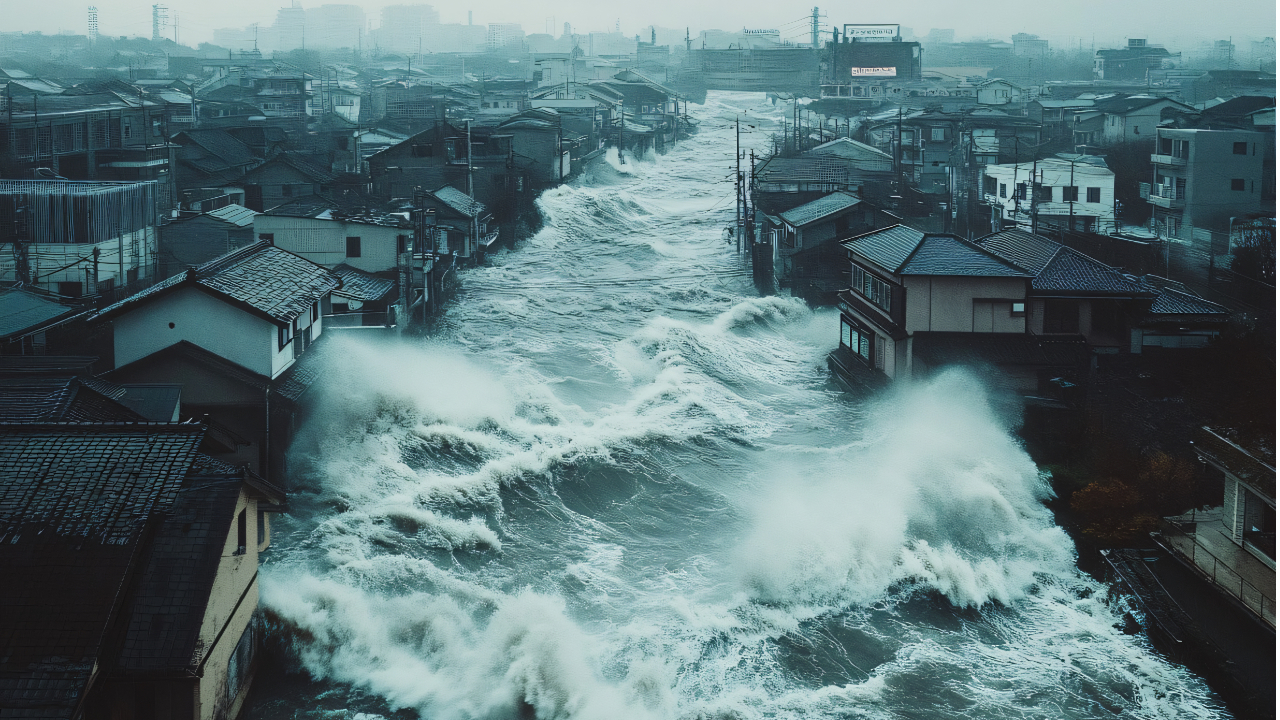
This is tornado, hurricane, wildfire, and unfortunately, random-breaking-news season. The question isn’t if something major will happen in your market. The question is: Will your station be ready when it does?
There’s an old News-Talk saying: “You are only as good as your last disaster.” Sobering? Yes. True? Absolutely. Because when a crisis hits, radio becomes more than entertainment. It becomes essential.
When Disaster Strikes, Radio Wins
Major weather events. Plane crashes. Wildfires. Active shooter situations. As tragic as these events are, they also represent a defining moment for a station’s brand.
Outstanding crisis coverage drives massive tune-in, and more importantly, builds trust that lasts long after the skies clear. A Nielsen study during hurricane season found radio listening spikes rapidly during and after storms. In many cases, radio becomes the only lifeline when power is out, Wi-Fi is down, and cell towers are overloaded.
Radio is often the #1 choice for hurricane information, even when some stations are literally rebroadcasting TV audio. Why? Because radio is immediate. Portable. Battery-powered. Local. When the lights go out, radio lights up.
Preparation Is Everything
You cannot fake disaster coverage. When the storm hits, it’s too late to find the extension cord. A true disaster plan includes:
- Backup generators (tested — not “we think it works”)
- Fully charged batteries
- Food and water for extended stays
- Sleeping arrangements for staff
- A stocked first-aid kit (and people who know how to use it)
- A comprehensive, updated contact list
- A clear on-air execution plan
And here’s one more critical piece: Help your staff secure their families and pets. If your anchor is wondering whether their golden retriever is floating down Main Street, focus becomes challenging.
Remove distractions so your team can focus on serving the audience.
If your resources are limited, explore partnerships or simulcasts with local television. Collaboration beats silence every time. And don’t overlook distributed reporting. Staff can contribute from:
- Home neighborhoods
- Travel routes
- Major intersections
- Shelters
- Visual vantage points
Sometimes the best field reporter is a listener already stuck in traffic.
How to Sound in a Storm
When chaos rises, your tone must lower. Sound calm. Sound steady. Sound human. Never sound like the world is ending, even if it feels like it. Listeners are looking for reassurance and clarity. Your job is to mirror their life patterns:
- During blizzards: road conditions that match traffic flow.
- During hurricanes and floods: evacuation routes and return timelines.
- During wildfires: containment lines and air quality updates.
Information should help listeners make decisions, not just consume headlines.
Open the Phones: The Modern Party Line
In a crisis, listeners don’t just want information. They want a connection. Open the phone lines. Live listener reports add realism, urgency, and community. They also surface details your newsroom may not yet have. There’s a legendary story of a Florida station surrounded by floodwaters with hurricane-displaced alligators sunbathing outside the studio. You can’t script that. But you can put it on the air. Moments like that create emotional bonding that no marketing budget can buy.
Build Your Expert Bench
Before disaster strikes, compile your “A-Team” list of go-to experts:
- Police
- Fire officials
- Medical professionals and hospital representatives
- Weather experts
- Geologists (earthquakes don’t RSVP)
- Local college professors
- TV and newspaper journalists
- City and county emergency managers
- Armed Forces representatives
Have direct numbers. Test them. Update them. When seconds count, you don’t want to be scrolling through old emails.
The Brand-Building Moment
Here’s the truth: crisis coverage is branding. Listeners remember who was there for them when they couldn’t stream, when their phone battery was at 8%, and when they needed real information, not speculation. If you serve them well during the worst moments, they’ll reward you during the best ones.
Final Thought
Create a written, detailed Disaster Plan. Rehearse it. Review it annually. Update contacts quarterly. Because when disaster strikes, there are no second chances. In those moments, your station isn’t just playing music or hosting talk shows. It’s a lifeline. And lifelines don’t wing it. Many stations rely on the 100-page “Disaster, Emergency, & Crisis Guide for Radio,” detailed on the Lund website: Disaster Stylebook | Lund Media Group
Pic designed by Freepik.com.
John Lund is President of the Lund Media Group, a radio programming consulting firm with specialists in all mainstream radio formats. Did you find this article useful? You can leave a comment below or email John at John@Lundradio.com.